Methandienone (Dianabol): Scientific and Historical Education for Fitness Awareness
Walk into any bodybuilding gym that has been around for decades. Mention the old days. One name comes up consistently. Dianabol.
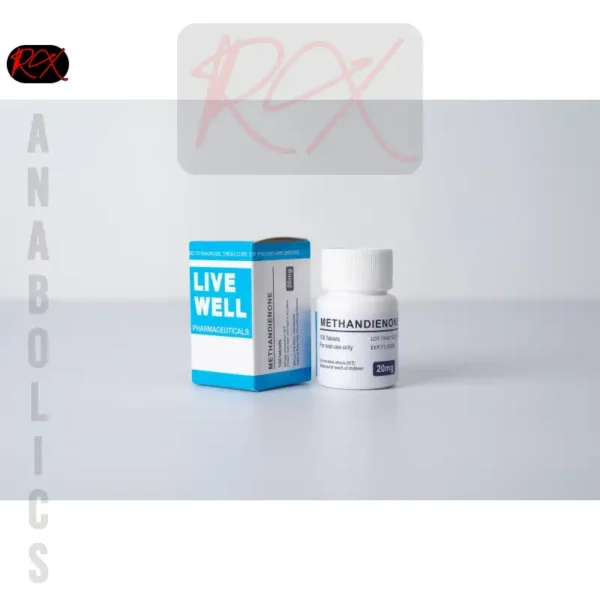
Methandienone, known as Dianabol or Dbol, is one of the most discussed anabolic steroids in fitness history. It shaped the sport of bodybuilding in the 1960s and 1970s and remains a reference point in conversations about mass building and strength today. The compound carries serious risks, however, that are often overlooked in gym discussions.
This article explains Methandienone from an educational standpoint. You will learn what the compound is, how it works in the body, its role in bodybuilding history, and the well-documented health risks involved.
NexorinPharma is a fitness education and wellness awareness platform. We do not sell anabolic steroids. Our purpose is clear, responsible education.
What Methandienone (Dianabol) Is
Methandienone is a synthetic anabolic-androgenic steroid. The chemical name is methandienone or methandrostenolone, and Dianabol is the original brand name developed by Ciba Pharmaceuticals in the 1950s.
The compound is a derivative of testosterone. Chemists modified the testosterone molecule to increase anabolic activity, reduce androgenic effects, and make the compound orally active. Dianabol tablets became the first commercially available oral anabolic steroid, which was a significant development. Before Dianabol, anabolic steroids were primarily injectable, making oral administration a meaningful shift in accessibility.
The compound has a high anabolic to androgenic ratio, approximately two to three times more anabolic than testosterone. However, it also has significant androgenic activity, meaning it promotes muscle growth while also producing male characteristic effects.
Methandienone is a 17-alpha alkylated compound. This chemical modification allows the drug to survive first-pass liver metabolism. Without it, oral Methandienone would break down before reaching the bloodstream. That same modification is what increases liver stress throughout use.
How Methandienone Works in the Body
Methandienone binds to androgen receptors in muscle tissue, triggering genetic transcription. Protein synthesis increases significantly, nitrogen retention improves, and red blood cell production goes up.
Here is the simplified explanation. Methandienone enters the bloodstream and travels to muscle cells. It attaches to androgen receptors inside those cells, and the receptor-drug complex then moves to the cell nucleus. There, it activates genes that produce muscle proteins. The result is a net increase in muscle protein, meaning your body builds more than it breaks down. This effect is enhanced by proper training and nutrition.
Methandienone also increases glycogenolysis, which means muscles store more glycogen. Glycogen pulls water into the muscle cell, creating the full, pumped appearance commonly associated with the drug.
The compound does aromatize. Aromatase converts Methandienone to a form of estrogen, which distinguishes it from steroids like Winstrol or Anavar that do not aromatize. Estrogen-related side effects are consequently common with Dianabol use.
Why Dianabol Became Widely Known in Bodybuilding Culture
Dianabol bodybuilding popularity traces back to the 1960s. Athletes of the Golden Era discussed its use openly, and the drug was not yet controlled or stigmatized.
Several factors explain the popularity.
Oral administration made it accessible. No needles required, which appealed to athletes uncomfortable with injections.
Rapid effects were another draw. Users reported noticeable strength gains within one to two weeks. Weight gain was visible and rapid, and this immediate feedback reinforced continued use.
Full muscle appearance. The glycogen and water retention created a full, round muscle look that was valued on bodybuilding stages.
Strength increases. Users reported significant strength jumps that allowed heavier training and greater muscle stimulation.
The compound became a standard reference point for bulking phase discussions. Even today, Methandienone is frequently mentioned as a historical benchmark in mass-gaining conversations.
One important note. The Golden Era doses were significantly lower than what modern fitness communities discuss. Athletes in the 1960s and 1970s used Dianabol in modest amounts, while modern discussions often reference considerably higher doses.
Oral Methandienone Terminology Explained
Methandienone 10mg and 25mg refer to tablet strengths. The 10mg tablet was the standard strength when the drug was commercially available. The 25mg strength appears more frequently in modern discussions.
Oral Methandienone is absorbed through the digestive system, with peak blood levels occurring approximately one to two hours after ingestion. The half life is approximately four to six hours, which is relatively short compared to other oral anabolic steroids. This short half life requires multiple daily doses to maintain stable blood levels throughout the day.
No established medical guidelines exist for non-medical use. The drug was never approved for bodybuilding or athletic performance. Dosing discussions in fitness forums are not medical recommendations.
Reported Effects Discussed in Fitness Communities
This section reflects what users report in bodybuilding discussions. These are anecdotal descriptions from forums and gym conversations, not clinical guarantees.
Rapid strength gains are the most consistently reported effect. Users describe adding significant weight to their lifts within the first two weeks, and this effect is often described as dramatic.
Weight gain. Users report gaining several pounds in the first weeks. Some of this is lean mass, while some is water and glycogen retention.
Improved muscle fullness. The glycogen and water retention create a full, pumped appearance. Muscles look rounder and more visually developed.
Increased training intensity. Some users report higher aggression and focus during workouts, which they attribute to the compound’s androgenic effects.
Improved recovery. Users report less muscle soreness and the ability to train more frequently between sessions.
These outcomes come from bodybuilding discussions, not controlled clinical trials. The evidence is purely anecdotal.
Health Risks and Side Effects
Methandienone carries significant health risks. Some effects are reversible. Others are not.
Hepatotoxicity
Liver damage is a primary concern. Oral Methandienone is 17-alpha alkylated, and this modification stresses liver cells directly. Documented effects include elevated liver enzymes, peliosis hepatis (blood-filled liver cysts), hepatic adenomas, and hepatocellular carcinoma. Case reports have linked Dianabol to liver tumors.
Estrogenic Side Effects
Because Methandienone aromatizes, it converts to estrogen in the body. Effects include water retention, elevated blood pressure, and gynecomastia, which is the growth of breast tissue in men. Gynecomastia can become permanent and may require surgery to correct.
Cardiovascular Effects
HDL cholesterol drops while LDL cholesterol often rises, worsening the ratio between the two. Blood pressure increases due to water retention, and together these changes raise the risk of heart attack and stroke.
Hormonal Suppression
All exogenous androgens suppress the HPG axis. Luteinizing hormone and follicle stimulating hormone levels drop, causing natural testosterone production to stop. Recovery is not guaranteed, and some users experience prolonged suppression.
Androgenic Side Effects
These include acne, oily skin, increased body hair, male pattern baldness in genetically susceptible men, voice deepening in women, and clitoral enlargement in women. Some of these effects in women are irreversible.
Why Oral Anabolic Steroids Can Be More Demanding on the Body
Oral anabolic steroids like Methandienone differ from injectable forms in one critical way: liver metabolism.
The 17-alpha alkylation that enables oral delivery forces the liver to process the compound directly. This places ongoing stress on liver tissue. Enzymes elevate, cellular damage accumulates, and over time structural changes occur that may be irreversible.
Injectable anabolic steroids bypass first-pass liver metabolism and enter the bloodstream directly, reducing direct liver stress. However, injectable forms carry infection risks and require sterile technique throughout preparation and administration.
Neither route is safe for non-medical use. Oral forms stress the liver while injectable forms stress other systems. Different risks do not mean lower risks.
Fitness discussions sometimes present Dianabol as an effective oral option for mass building, which is true from a pharmacological standpoint. Effectiveness, however, does not equal safety. The liver stress is real and accumulates with dose and duration.
Legal Classification and Regulatory Awareness
Methandienone is a controlled substance in most developed nations.
United States. Schedule III controlled substance. Prescription required. Non-medical possession is a federal crime carrying fines and imprisonment. Dianabol is not commercially available by prescription.
United Kingdom. Class C controlled drug. Unauthorized possession or supply carries criminal penalties.
Canada. Schedule IV controlled substance.
Australia. Schedule 4 prescription drug. Strict controls apply.
Most European Union countries require a prescription, and several prohibit Methandienone entirely.
The World Anti-Doping Agency bans Methandienone in competitive sports. Detection leads to sanctions, medal revocation, and public disclosure.
This article provides educational information only. Understand your local laws. NexorinPharma does not sell or source any controlled substances.
Importance of Medical Supervision and Bloodwork Monitoring
Methandienone has very limited approved medical uses and is not commonly prescribed in any country. There is no clinical context where a physician would prescribe Dianabol for bodybuilding or athletic performance.
Medical supervision would be essential for any legitimate use. This includes baseline testing, regular monitoring, side effect management, and proper discontinuation. Baseline testing covers liver enzymes, lipid profile, complete blood count, estrogen levels, and hormone levels.
Self-administration removes all safeguards. Liver damage progresses silently. Lipid changes accumulate over years. Estrogen-related side effects develop gradually. Hormonal recovery becomes unpredictable without medical guidance.
If you are considering Methandienone for any purpose, speak with a physician first. Be honest about your intentions, discuss the risks specific to your health profile, and explore whether safer alternatives exist.
Myths vs Facts About Dianabol in Bodybuilding Discussions
Several myths surround Dianabol in fitness communities. Here are the facts.
Myth: Dianabol is a mild steroid with manageable side effects. Fact: Dianabol causes significant liver stress, estrogenic side effects, and hormonal suppression. The risks are substantial at any dose.
Myth: You do not need post-cycle therapy after Dianabol. Fact: HPG axis suppression occurs with all exogenous androgens. Dianabol is suppressive, and proper hormonal recovery planning is essential.
Myth: Dianabol builds only water weight, not real muscle. Fact: Clinical studies show Methandienone increases lean mass. Some weight gain is water and glycogen, but genuine muscle mass increases are documented.
Myth: Smaller doses are completely safe. Fact: No anabolic steroid is safe at any dose without medical supervision. Liver stress and hormonal suppression occur at any effective dose.
Myth: Dianabol is legal because it is old. Fact: Dianabol is a controlled anabolic steroid in most countries. Age does not affect legal status, and possession without a prescription remains illegal.
Safer Training, Nutrition, and Recovery-Based Alternatives
Muscle growth and strength goals do not require anabolic steroids. Evidence-based alternatives exist and carry none of the associated risks.
Nutrition drives results. A caloric surplus supports muscle growth, adequate protein intake provides building blocks, and a standard recommendation for muscle growth is 1.6 to 2.2 grams of protein per kilogram of body weight. Carbohydrates fuel training, and dietary fats support hormone production.
Resistance training stimulates muscle protein synthesis naturally. Progressive overload is the key principle, adding weight or reps consistently over time. Compound movements like squats, deadlifts, presses, and rows drive the most meaningful growth.
Sleep is non-negotiable. Testosterone and growth hormone production peak during deep sleep, and seven to nine hours per night supports natural hormone levels. Poor sleep undermines any training program regardless of other efforts.
Stress management matters. Chronic cortisol elevation suppresses testosterone and promotes fat storage, while techniques like meditation, walking, or breathing exercises help restore hormonal balance.
Supplements with established safety data round out the options. Creatine monohydrate supports strength and muscle mass. Protein powder supports recovery. Neither carries the liver, cardiovascular, or hormonal risks associated with anabolic steroids.
Frequently Asked Questions
1. Is Methandienone the Same as Dianabol?
Yes. Dianabol is the original brand name for Methandienone. The compound is identical regardless of the name used.
2. Can a Doctor Prescribe Dianabol Tablets?
Very rarely. Methandienone has limited approved medical uses and is not commonly prescribed in any country. It is never prescribed for bodybuilding.
3. How Long Does Methandienone Stay in Your System?
The half life is approximately four to six hours. Detection windows are longer, and urine tests can detect metabolites for several weeks after the last dose.
4. What Are Early Signs of Liver Damage From Oral Methandienone?
Early signs include fatigue, dark urine, yellowing skin or eyes, abdominal pain, and nausea. Regular blood work detects problems before symptoms appear, which is why monitoring matters so much.
5. Does Dianabol Affect Fertility?
Yes. Methandienone suppresses natural testosterone production, which reduces sperm count and fertility during use. Recovery varies, and some users experience prolonged suppression.
6. Why Do Bodybuilders Discuss Dianabol for Bulking Phases?
The drug produces rapid weight and strength gains. Users report a full, pumped appearance. These effects come with significant health risks that are well documented in medical literature.
7. Where Can I Find Reliable Methandienone Information?
Peer-reviewed medical journals and toxicology references are the most reliable sources. Resources include PubMed and the National Institutes of Health. NexorinPharma provides educational summaries, but always verify with primary sources.
Conclusion
Methandienone is a synthetic anabolic steroid with a significant place in bodybuilding history. It was the first commercially available oral anabolic steroid and shaped the sport throughout the 1960s and 1970s. Today, it remains a reference point in discussions about bulking phases and mass building.
The compound works by binding to androgen receptors and increasing protein synthesis. It produces rapid strength gains and weight gain, and it aromatizes to estrogen, causing water retention and potential gynecomastia.
The risks are severe and well documented. Liver damage, cardiovascular strain, estrogenic side effects, and hormonal suppression all feature prominently in medical literature. Legal status as a controlled substance carries criminal penalties in most countries.
Fitness goals do not require anabolic steroids. Nutrition, training, sleep, and stress management drive sustainable results. Supplements with established safety data like creatine and protein powder support performance without the risks.
This article provides educational information only. NexorinPharma exists to deliver clear fitness and pharmacology education. We do not sell or source Methandienone or any anabolic steroid.
If you have questions about Methandienone or performance enhancement, speak with a physician. Prioritize evidence-based approaches. Your long-term health depends on informed decisions and professional medical guidance.
Be the first to review “Methandienone( Dbol)”
Related products
Tablets
Tablets
Tablets
Tablets
Tablets
Tablets
Tablets
Reviews
There are no reviews yet.