Oxandrolone (Anavar): Medical Overview and Scientific Uses
Oxandrolone attracts attention. You have likely heard the name in gym locker rooms or fitness forums. But the clinical reality of this compound differs sharply from bodybuilding lore.
This article provides strictly educational information about Oxandrolone. We cover its approved medical uses, pharmacological mechanism, risks, and legal status. Nothing here encourages use or provides dosage guidance. The goal is honest pharmaceutical education.
NexorinPharma has provided educational pharmaceutical content since 2015. Founder Albert Hans built the platform to bridge the gap between clinical science and public understanding. This guide continues that mission.
What is Oxandrolone?
Oxandrolone is a synthetic anabolic-androgenic steroid. Pharmaceutical companies developed it in the 1960s. The chemical structure modifies testosterone to increase anabolic activity while reducing androgenic effects.
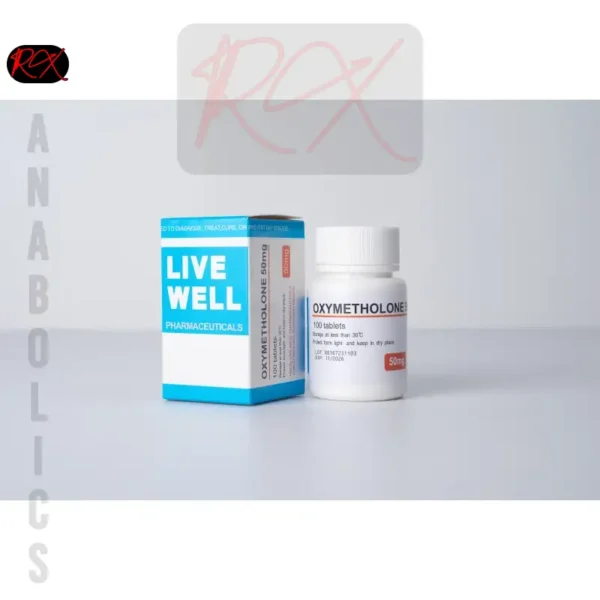
The drug comes as Oxandrolone tablets. Brand names include Anavar and Oxandrin. The tablet form allows oral administration, which distinguishes it from many other anabolic steroids that require injection.
Anavar Oxandrolone carries a high anabolic to androgenic ratio. Estimates range from 3:1 to 10:1 depending on the study. This means it promotes muscle tissue growth with fewer male hormone side effects compared to testosterone or other compounds.
The FDA approved Oxandrolone for specific medical conditions. It remains a prescription medication in countries where it is legal. The World Anti-Doping Agency (WADA) bans its use in competitive sports.
Medical Uses in Healthcare
Oxandrolone serves legitimate medical purposes. Physicians prescribe oral Oxandrolone for several conditions.
Weight gain after surgery or trauma. Patients who lose significant body weight following major surgery, chronic infection, or severe trauma may receive Oxandrolone to promote lean mass recovery. Clinical studies show improved weight gain compared to caloric support alone.
Chronic wasting conditions. HIV and AIDS patients sometimes experience severe muscle wasting. Oxandrolone helps preserve lean body mass in these cases. Research published in medical journals supports this application.
Bone pain associated with osteoporosis. Some protocols use Oxandrolone to reduce bone pain in patients with established osteoporosis. The mechanism involves improved calcium retention and bone mineral density.
Turner syndrome. Girls with Turner syndrome sometimes receive Oxandrolone to improve growth velocity. This remains a specialized pediatric endocrinology application.
Alcohol-induced hepatitis. Limited evidence suggests Oxandrolone may improve survival in severe alcohol-induced hepatitis. This use requires hospital-based monitoring.
These are prescription applications. They require medical oversight. Do not self-prescribe.
How Oxandrolone Works in the Body
The mechanism of action follows standard anabolic steroid pathways but with specific nuances.
Oxandrolone binds to androgen receptors in muscle tissue. This binding triggers a cascade of genetic transcription events. The result is increased protein synthesis. Your body builds more muscle protein than it breaks down.
Nitrogen retention improves significantly. Muscle tissue requires positive nitrogen balance for growth. Oxandrolone shifts this balance upward.
The drug does not aromatize. Aromatization converts testosterone into estrogen. Oxandrolone lacks this conversion pathway. This explains why Oxandrolone bodybuilding users report less water retention and gynecomastia compared to other steroids.
Oxandrolone also increases red blood cell production. More red blood cells mean improved oxygen delivery to tissues. This supports endurance and recovery.
The half-life of Oxandrolone tablets is approximately eight to ten hours. This requires multiple daily doses in clinical settings for stable blood levels. The liver metabolizes the compound, which is why oral Oxandrolone carries potential hepatotoxicity.
Potential Benefits in Clinical Settings
Medical research identifies several benefits of Oxandrolone under proper supervision.
Lean mass preservation. Studies show Oxandrolone preserves muscle tissue during catabolic states. Burn patients, post-surgical patients, and HIV wasting patients demonstrate measurable benefits.
Improved nitrogen balance. Positive nitrogen balance accelerates wound healing and recovery. Oxandrolone achieves this at lower androgenic doses than other anabolic steroids.
Reduced bone pain. Patients with osteoporosis report decreased bone pain after Oxandrolone therapy. The mechanism likely involves both direct bone effects and analgesic properties.
Minimal estrogenic effects. Because Oxandrolone does not aromatize, patients avoid estrogen-related side effects. Water retention, gynecomastia, and blood pressure increases are less common compared to testosterone therapy.
Androgenic side effects are dose-dependent. At medical doses, most patients tolerate Oxandrolone well. At higher doses, side effects increase.
These benefits exist within controlled medical settings. They do not translate to unsupervised use.
Risks and Side Effects
No medication is risk free. Oxandrolone carries serious potential side effects.
Hepatotoxicity is the primary concern. Oral Oxandrolone passes through the liver. High doses or prolonged use can cause liver damage. Peliosis hepatis (blood-filled cysts in the liver) and liver tumors have been reported. Liver function tests require monitoring during therapy.
Lipid profile changes. Oxandrolone lowers HDL (good) cholesterol. It may also increase LDL (bad) cholesterol. These changes increase cardiovascular risk over time.
Androgenic side effects. Although mild compared to other steroids, Oxandrolone can cause:
-
Acne and oily skin
-
Increased facial and body hair growth
-
Male pattern baldness in genetically susceptible individuals
-
Voice deepening and clitoral enlargement in women
Suppression of natural testosterone production. Exogenous androgens signal the body to stop producing its own testosterone. Post-therapy recovery varies.
Mood and behavioral changes. Some users report increased aggression, irritability, or mood swings.
Virilization in women. Female patients face the risk of permanent masculinization effects. These include voice changes and clitoral enlargement.
These risks increase with dose and duration. Medical supervision is not optional.
Legal Status of Oxandrolone in Different Regions
Legal status varies significantly by country.
United States. Oxandrolone is a Schedule III controlled substance. Prescription required. Non-medical possession is a federal crime.
United Kingdom. Class C controlled drug. Prescription only. Unauthorized possession or supply carries penalties.
Canada. Schedule IV controlled substance. Prescription required.
Australia. Schedule 4 prescription drug. Strict controls apply.
European Union. Varies by member state. Most require prescription. Some countries prohibit it entirely.
Many other nations classify Oxandrolone as a controlled substance. Always check local laws. This article does not constitute legal advice.
NexorinPharma provides educational content only. We do not sell or source Oxandrolone tablets or any controlled substances.
Oxandrolone in Bodybuilding Context
We address this topic for educational completeness. Bodybuilders and athletes sometimes seek Oxandrolone for performance enhancement.
The interest in Oxandrolone bodybuilding applications stems from its favorable anabolic to androgenic ratio. Users report steady strength gains without heavy water retention. Muscle hardness and vascularity improve. Recovery between training sessions shortens.
However, these effects come from doses well above medical prescriptions. Clinical doses range from 5 to 20 mg per day. Bodybuilding doses often reach 40 to 80 mg per day or higher. This multiplies the risk profile.
The medical literature does not support non-prescription Oxandrolone use for bodybuilding. The risk of liver damage, lipid dysfunction, and hormonal suppression at these doses is well documented.
If you are considering oral Oxandrolone for performance purposes, understand the legal and medical consequences. Consult a physician. This is not medical advice, but responsible information sharing.
Importance of Medical Supervision
Oxandrolone requires medical supervision for any legitimate use.
A physician should:
-
Confirm the medical indication exists
-
Order baseline liver function tests and lipid panels
-
Prescribe the minimum effective dose
-
Monitor liver enzymes throughout therapy
-
Track lipid profiles
-
Manage any emerging side effects
-
Oversee therapy discontinuation and recovery
Self-medication removes all these safeguards. The difference between monitored and unmonitored use is significant. Liver damage can be silent until advanced. Lipid changes accumulate over time.
Albert Hans and the NexorinPharma educational team emphasize this point. Medical supervision is not a suggestion. It is a requirement for responsible Oxandrolone use.
Frequently Asked Questions
1. Is Oxandrolone the same as Anavar?
Yes. Anavar is the original brand name for Oxandrolone. The compound is identical regardless of brand.
2. Can a doctor prescribe Oxandrolone tablets?
Yes, for approved medical conditions. These include weight loss after surgery, chronic wasting, bone pain from osteoporosis, and specific pediatric conditions.
3. Is oral Oxandrolone safer than injectable steroids?
No medication is inherently safe or unsafe. Oral Oxandrolone avoids injection risks but adds liver stress. Injectable steroids avoid liver stress but carry injection site risks. Each route has a distinct risk profile.
4. What are the first signs of liver damage from Oxandrolone?
Early signs include fatigue, dark urine, yellowing skin or eyes (jaundice), abdominal pain, and nausea. Regular liver function tests detect problems before symptoms appear.
5. How long does Oxandrolone stay in your system?
The detection window depends on the test. Blood tests detect Oxandrolone for approximately two to three weeks after last dose. Urine detection can extend to four weeks or more.
6. Does Oxandrolone affect fertility?
Yes. Oxandrolone suppresses natural testosterone production. This reduces sperm count and fertility during use. Recovery varies after discontinuation. Some men experience prolonged suppression.
7. Where can I find reliable Oxandrolone information?
Peer-reviewed medical journals provide reliable information. Resources include PubMed, the National Institutes of Health, and clinical pharmacology references. NexorinPharma aggregates educational summaries but always verify with primary sources.
Conclusion
Oxandrolone is a pharmaceutical compound with legitimate medical applications. It also carries serious risks, including liver damage, cardiovascular strain, and hormonal suppression. The difference between beneficial use and harm comes down to medical supervision, appropriate dosing, and patient selection.
This overview provides educational information only. NexorinPharma does not sell Oxandrolone tablets or any anabolic steroids. We exist to provide clear, responsible pharmaceutical education.
If you have questions about Oxandrolone or any other medication, speak with a qualified physician. Do not rely on forum anecdotes or unverified sources. Your health depends on accurate information and professional medical oversight.
Albert Hans and the NexorinPharma team encourage responsible pharmaceutical literacy. Stay informed. Stay safe. Always consult a doctor.
Be the first to review “Oxandrolone (Anavar) 50mg”
Related products
Tablets
Tablets
Tablets
Tablets
Tablets
Reviews
There are no reviews yet.