
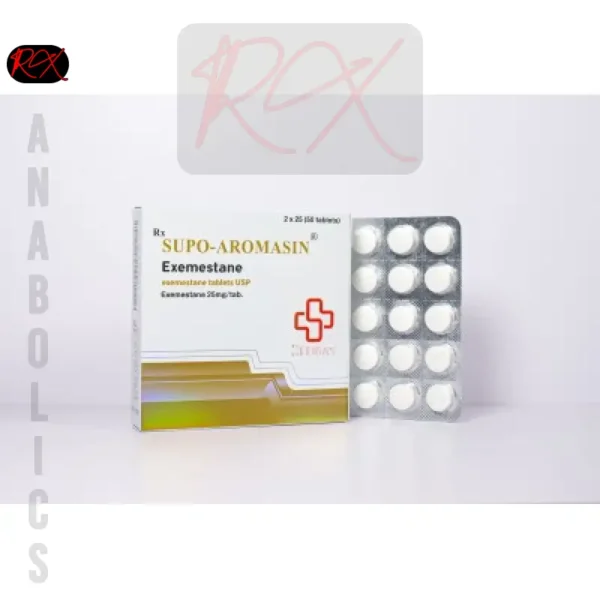


Aromasin (Exemestane 25mg): Medical Education and Hormonal Health Awareness
Introduction
Estrogen is not just a female hormone. Men produce it too. In small amounts, it supports bone health, brain function, and cardiovascular health. Too much estrogen in men, however, can cause problems. This is where aromatase inhibitors like Aromasin enter medical use.
Exemestane, known by the brand name Aromasin, is a prescription medication belonging to a class called aromatase inhibitors. Doctors use it primarily for breast cancer treatment. It also appears in hormone health discussions in other contexts.
This article explains Exemestane from an educational standpoint. You will learn what the drug does, how it works in the body, its approved medical uses, and why estrogen control comes up in fitness conversations.
NexorinPharma is a health education and wellness awareness platform. We do not sell prescription medications. Our purpose is clear, responsible education about pharmaceutical compounds.
What Exemestane (Aromasin) Is
Exemestane is a prescription medication belonging to a class of drugs called aromatase inhibitors, or AIs. It comes as Aromasin oral tablets in 25mg strength. The generic name is Exemestane 25mg.
The medication was developed by Pfizer and approved by the FDA in 1999. Its primary use is treating breast cancer in postmenopausal women by reducing estrogen production in the body.
Exemestane is a steroidal aromatase inhibitor, meaning it binds permanently to the aromatase enzyme. This makes its effect last longer than non-steroidal aromatase inhibitors like anastrozole.
The drug is not a hormone. It does not add anything to your body. It simply blocks an enzyme that converts androgens into estrogen. By blocking that enzyme, the drug lowers estrogen levels throughout the body.
Aromasin oral tablets are taken by mouth and absorbed through the digestive system. Food increases absorption significantly, so taking it after a meal is standard medical advice.
How Aromasin Works in the Body
The mechanism is straightforward. Your body produces an enzyme called aromatase. This enzyme converts androgens like testosterone into estrogen, a process that happens in fat tissue, the adrenal glands, and other sites.
Exemestane binds to the aromatase enzyme permanently and inactivates it. The body must then produce entirely new aromatase enzymes to restore estrogen production. This is called suicide inhibition or irreversible inhibition.
Think of aromatase as a factory that converts testosterone into estrogen. Exemestane shuts that factory down. Less factory activity means less estrogen production, and total body estrogen levels drop as a result.
This mechanism differs from SERMs like Tamoxifen, which block estrogen receptors rather than estrogen production. The two drug classes work through completely different pathways and are not interchangeable.
The effect is dose dependent. Aromasin 25mg daily is the standard medical dose. At this dose, blood levels of estrogen drop by approximately 85 percent.
Medical Uses of Exemestane
Exemestane has several approved medical uses. All require a prescription and physician supervision.
Breast cancer treatment is the primary use. Exemestane treats hormone receptor positive breast cancer in postmenopausal women. Many breast cancers grow in response to estrogen, so lowering estrogen slows or stops this growth.
Adjuvant therapy. After surgery, doctors prescribe Exemestane to reduce the risk of cancer returning. Standard treatment duration is five years.
Neoadjuvant therapy. In some cases, Exemestane shrinks tumors before surgery, making the procedure easier and more effective.
Off label uses exist but require physician discussion. Some doctors prescribe aromatase inhibitors for estrogen-related conditions in men, including persistent gynecomastia or estrogen excess states. These applications are not FDA approved.
Exemestane is not approved for bodybuilding or hormone optimization in healthy men. Fitness discussions about the drug are based on pharmacological theory, not clinical evidence.
Why Estrogen Control Is Discussed in Fitness and Hormone Health Conversations
Estrogen control appears in fitness discussions for a specific reason. Anabolic steroid use increases estrogen levels.
Some anabolic steroids convert to estrogen through the aromatase enzyme. Testosterone is the most obvious example. More testosterone means more aromatase activity and therefore more estrogen. Other steroids like Dianabol also aromatize.
Higher estrogen causes side effects that bodybuilders want to avoid. Water retention increases. Blood pressure rises. Gynecomastia, the growth of breast tissue in men, can occur and may become permanent, requiring surgery to correct.
Aromasin 25mg appears in these conversations because it blocks estrogen production. Lower estrogen means fewer estrogen-related side effects. The theoretical goal is to keep estrogen within a normal range during steroid use.
One critical point must be emphasized. This use is not FDA approved. No clinical trials support Exemestane for this purpose in healthy men. Fitness communities discuss it based on pharmacological theory. Crashing estrogen too low causes its own serious problems.
Aromasin 25mg Terminology Explained
Aromasin 25mg refers to the strength of the oral tablet. The 25mg dose is the standard medical formulation and the only strength available in most countries.
Exemestane 25mg and Aromasin are the same medication. Aromasin is the brand name. Exemestane is the generic name. Both contain the same active ingredient at the same strength.
The drug should be taken after a meal. Food increases absorption by approximately 40 percent, so taking it on an empty stomach reduces its effectiveness meaningfully.
The half life of Exemestane is approximately 24 hours, making once daily dosing appropriate for maintaining stable blood levels. The aromatase inhibition effect lasts longer than the drug itself stays in the blood, because the enzyme is permanently inactivated and the body must produce new enzymes to restore function.
Possible Effects and Physiological Impact
This section provides educational information about how Exemestane affects the body at a physiological level. No outcomes are guaranteed. Individual responses vary significantly.
Estrogen suppression is the primary effect. Total body estrogen levels drop, which is the intended outcome for breast cancer treatment.
In men, lower estrogen affects multiple systems. Bone density can decrease over time because estrogen plays a role in bone health in both sexes. Long-term suppression increases fracture risk.
Lipid profile changes also occur. Exemestane may lower HDL cholesterol, the good cholesterol. Long-term effects on cardiovascular health are still being studied.
Libido changes are reported by some users. Some experience decreased sexual desire, while others report no change. Estrogen contributes to sexual health in men despite common misconceptions to the contrary.
Fitness discussions sometimes focus on estrogen control for reducing water retention and gynecomastia risk. These are legitimate pharmacological effects. Proper estrogen management, however, requires blood work and medical supervision to avoid going too low.
Side Effects and Risks of Estrogen Suppression
Exemestane carries side effects. Some are common. Some are serious. All patients on the drug require monitoring throughout treatment.
Common side effects affect many users. Hot flashes occur in up to 40 percent of patients. Joint pain and stiffness are also common. Fatigue, headache, and nausea occur in some users.
Serious side effects require medical attention. Bone loss is a significant concern because estrogen protects bone density. Long-term aromatase inhibitor use increases osteoporosis and fracture risk, making baseline bone density scans a recommended precaution.
Cardiovascular effects are also worth noting. Estrogen has protective effects on blood vessels, and lower estrogen may increase cardiovascular risk. Blood pressure and cholesterol require ongoing monitoring.
Mood changes. Some patients report depression or anxiety during treatment. Estrogen affects neurotransmitter systems, and any mood changes should be discussed with a doctor promptly.
Liver problems are rare but have been reported. Regular blood work monitors liver function throughout treatment.
These risks exist even in medical settings with active monitoring. Self-administration removes this oversight entirely. Crashing estrogen too low causes severe fatigue, joint pain, mood issues, and long-term bone loss.
Importance of Hormone Balance and Medical Supervision
Exemestane requires medical supervision for good reason. Estrogen is not the enemy. It is a necessary hormone in both men and women.
Estrogen supports bone density. Men with very low estrogen have higher fracture risk. It supports cardiovascular health and affects cholesterol profiles. It also influences brain function, including mood and cognition.
The goal of medical treatment is balance. Breast cancer patients accept the risks because the benefit is life-saving. For healthy individuals, disrupting normal estrogen balance carries real risks without proven benefit.
Medical supervision begins with baseline testing. Estradiol levels, lipid profile, bone density, and liver function all establish a starting point. Follow-up tests monitor for changes throughout treatment.
Self-medication without medical oversight is dangerous. Bone loss is silent. Lipid changes accumulate gradually. Side effects go undetected without regular monitoring.
If you have questions about estrogen control or aromatase inhibitors, speak with a physician. Do not self-prescribe.
Drug Interactions and Safety Considerations
Exemestane interacts with several medications in ways that matter clinically.
Estrogen-containing medications. Birth control pills, hormone replacement therapy, and estrogen creams reduce Exemestane effectiveness. The drug works by lowering estrogen, so adding estrogen directly counteracts this.
Certain antibiotics. Rifampin and rifabutin reduce Exemestane levels by inducing liver enzymes that break the drug down faster.
Anticonvulsants. Phenytoin, carbamazepine, and phenobarbital may also reduce Exemestane effectiveness through similar mechanisms.
St. John’s wort. This herbal supplement reduces Exemestane blood levels and should be avoided while taking this medication.
Always provide your doctor with a complete medication list, including over-the-counter drugs and supplements.
Myths vs Facts About Aromatase Inhibitors
Several myths surround aromatase inhibitors in fitness culture. Here are the facts.
Myth: Aromasin completely eliminates estrogen. Fact: Exemestane reduces estrogen significantly but does not eliminate it. Complete elimination would cause serious health problems including bone loss and joint pain.
Myth: All men need aromatase inhibitors when using testosterone. Fact: Most men on testosterone therapy do not need aromatase inhibitors. Estrogen rises but often stays within a healthy range. Routine AI use is not standard medical practice.
Myth: Aromasin has no side effects. Fact: Joint pain, hot flashes, bone loss, and lipid changes are common. Long-term risks are significant and well documented.
Myth: You can take Aromasin without blood work. Fact: Estradiol levels, lipids, and bone density all require monitoring. Dosing without blood work removes the ability to detect problems early.
Myth: Lower estrogen always means better results. Fact: Estrogen is necessary for health in both men and women. Too low causes joint pain, fatigue, mood issues, and bone loss.
Lifestyle Factors That Support Healthy Hormone Balance
Hormone health involves more than medication. Lifestyle factors support natural hormone balance regardless of any drug use.
Body fat management is critical. Aromatase enzyme is found in fat tissue, so more body fat means more aromatase activity. Higher aromatase activity means more conversion of testosterone to estrogen. Maintaining healthy body composition supports natural hormonal balance without medication.
Liver health matters. The liver metabolizes hormones and clears metabolites. Excessive alcohol damages the liver, and poor liver function affects hormone clearance and balance.
Stress management influences cortisol levels. High cortisol affects the relationship between estrogen and testosterone. Stress reduction techniques help restore balance over time.
Sleep quality affects all hormone systems. Seven to nine hours per night supports overall endocrine health in a meaningful way.
Alcohol consumption affects aromatase activity directly. Heavy drinking increases aromatase activity in some studies, so limiting alcohol supports better hormonal balance without any medication.
Frequently Asked Questions
1. Is Exemestane the Same as Aromasin?
Yes. Aromasin is the brand name for Exemestane. The generic and brand versions contain the same active ingredient.
2. What Is Aromasin 25mg Used for Medically?
Aromasin treats hormone receptor positive breast cancer in postmenopausal women. It reduces estrogen production to slow cancer growth.
3. Can a Doctor Prescribe Exemestane for Men?
Yes, for specific medical conditions including persistent gynecomastia or estrogen excess syndromes. Off-label use for hormone optimization is not standard medical practice.
4. How Long Does Exemestane Stay in Your System?
The half life is approximately 24 hours. However, the permanent aromatase inhibition lasts longer because the body must produce entirely new enzymes to restore estrogen production.
5. What Are Signs of Low Estrogen in Men?
Signs include joint pain, fatigue, low libido, mood changes, and decreased bone density. Blood work is needed to confirm low estradiol levels.
6. Does Aromasin Affect Testosterone Levels?
Exemestane can indirectly increase testosterone levels. Blocking the conversion of testosterone to estrogen leaves more testosterone in circulation. This effect has been observed in some studies.
7. Where Can I Find Reliable Exemestane Information?
Peer-reviewed medical journals are the most reliable source. Resources include PubMed and the National Institutes of Health. NexorinPharma provides educational summaries, but always verify with primary sources.
Conclusion
Exemestane is a prescription aromatase inhibitor that blocks the conversion of androgens to estrogen. Its primary medical use is breast cancer treatment in postmenopausal women, where under proper supervision it saves lives.
The drug has real effects on hormone balance. Estrogen drops significantly. Testosterone may rise slightly as a result. These changes serve a clear purpose in cancer treatment but are not automatically beneficial for healthy individuals.
Exemestane carries side effects. Joint pain, hot flashes, bone loss, and lipid changes are all common. Medical supervision and regular blood work are essential for anyone taking this drug.
Fitness discussions about Aromasin are based on pharmacological theory. Clinical studies do not support routine use in healthy men. Self-medication without medical oversight removes important safeguards. Low estrogen causes its own serious health problems that are just as real as high estrogen.
This article provides educational information only. NexorinPharma is a health education platform. We do not sell or source Exemestane or any prescription medication.
If you have questions about Exemestane or hormone health, speak with a physician. Lifestyle factors like body fat management, liver health, stress reduction, and sleep support natural hormone balance. Prioritize evidence-based approaches. Your long-term health depends on informed decisions and professional medical guidance.
Be the first to review “Supo-Aromasin 25mg 50tabs”
Related products
ORAL STEROIDS
ORAL STEROIDS
ORAL STEROIDS
ORAL STEROIDS
ORAL STEROIDS
ORAL STEROIDS
ORAL STEROIDS
ORAL STEROIDS
Reviews
There are no reviews yet.