Ovigil 5000IU HCG Shree Venkatesh (Human Chorionic Gonadotropin) | NexorinPharma
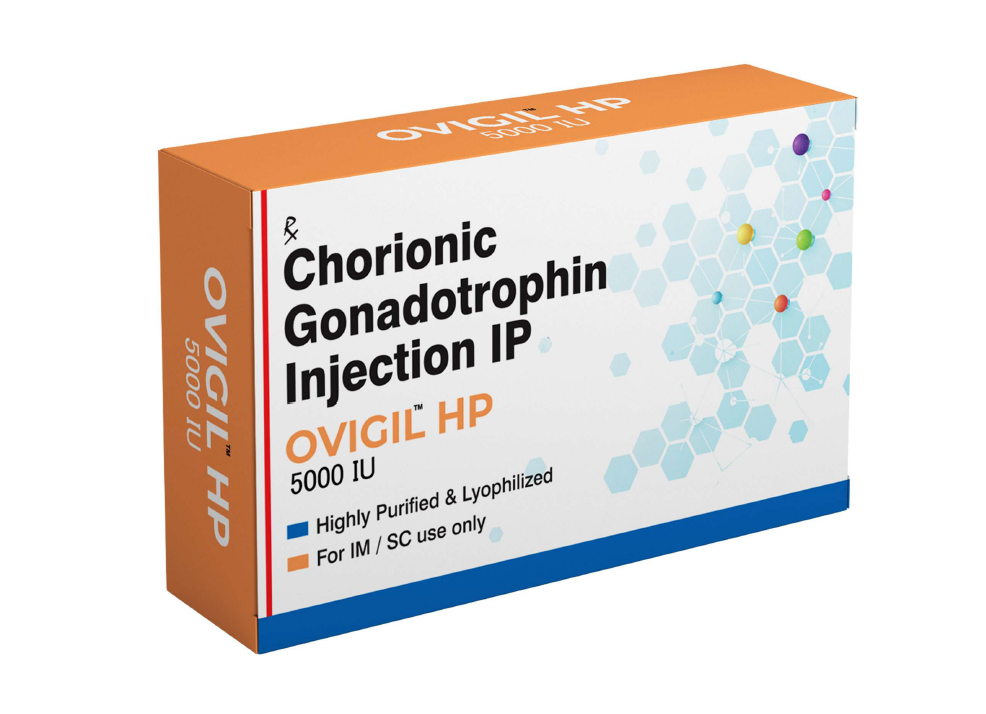
Ovigil 5000IU by Shree Venkatesh is an injectable Human Chorionic Gonadotropin preparation containing 5000 international units of HCG per vial. At NexorinPharma, we carry Ovigil 5000IU as part of our hormonal support and ancillary compound inventory for customers in markets where Human Chorionic Gonadotropin is legally available.
Human Chorionic Gonadotropin is the active compound in Ovigil. It is a naturally occurring glycoprotein hormone produced during pregnancy that shares structural and functional similarities with Luteinizing Hormone. HCG carries active FDA approval for specific clinical indications and has a well-documented clinical research base spanning several decades across multiple approved applications.
HCG generates consistent discussion in bodybuilding and performance communities primarily in the context of testicular function support and hormonal recovery following anabolic steroid use. Its mechanism of action through direct Leydig cell stimulation in the testes drives endogenous testosterone production independently of the HPG axis, making it a consistently referenced ancillary compound in performance community discussions about hormonal support.
Like all compounds affecting hormonal function, Ovigil 5000IU carries significant health and legal considerations. This page covers what HCG is, how it works, and what health and legal considerations apply. It does not constitute medical advice. It does not recommend or encourage use outside of legitimate medical supervision. It does not provide dosage guidance of any kind.
Product Specifications
Website: nexorinpharma.com Product Name: Ovigil 5000IU Manufacturer: Shree Venkatesh Active Compound: Human Chorionic Gonadotropin Also Known As: HCG, hCG, Pregnyl, Choragon, Novarel Drug Class: Gonadotropin, glycoprotein hormone, LH analog Concentration: 5000IU per vial Presentation: Lyophilized powder for reconstitution Form: Injectable solution following reconstitution Half-Life: Approximately 24 to 36 hours Route of Administration: Subcutaneous or intramuscular injection following reconstitution Mechanism of Action: Direct LH receptor agonism on testicular Leydig cells stimulating endogenous testosterone production FDA Approval: Yes. Approved for specific indications including cryptorchidism, hypogonadotropic hypogonadism in males, and ovulation induction in females. Legal Status: Prescription only in the United States and most developed countries. Legal status varies by country.
About Shree Venkatesh
Shree Venkatesh is an Indian pharmaceutical manufacturer producing a range of injectable and oral pharmaceutical products for markets where such compounds are legally available. The brand carries a presence in international performance and bodybuilding communities and produces its product range with pharmaceutical-style presentation and compound labeling.
Like all manufacturers operating outside the primary regulated pharmaceutical channels of the United States and European Union, Shree Venkatesh does not carry the manufacturing oversight, regulatory scrutiny, or clinical trial documentation of FDA-approved or EMA-approved pharmaceutical grade products. Consequently, quality, purity, and concentration accuracy are less verifiable than with fully regulated products. Within the international non-prescription market, however, Shree Venkatesh carries consistent brand recognition across performance and bodybuilding communities.
What Is Human Chorionic Gonadotropin
Human Chorionic Gonadotropin is a glycoprotein hormone naturally produced by the syncytiotrophoblast cells of the placenta following implantation during pregnancy. It consists of two subunits: an alpha subunit shared with other glycoprotein hormones including LH, FSH, and TSH, and a beta subunit that is unique to HCG and determines its biological specificity.
The structural similarity between HCG’s beta subunit and LH’s beta subunit is the pharmacological basis for HCG’s LH-like biological activity. Both HCG and LH bind to the same LH receptor on Leydig cells in the testes. As a result, HCG produces the same downstream effect as endogenous LH in terms of Leydig cell testosterone stimulation, making it functionally equivalent to LH at the testicular level despite its distinct structural and production origin.
Ovigil contains HCG in lyophilized, or freeze-dried, powder form. Lyophilization preserves the glycoprotein structure during storage. Before use, the powder requires reconstitution with the bacteriostatic water or sterile water provided with the preparation.
How HCG Works
HCG works primarily through direct agonism of LH receptors on Leydig cells in the testes. This direct testicular stimulation mechanism distinguishes it pharmacologically from compounds that work through the hypothalamic-pituitary axis, such as Clomiphene Citrate, which stimulates endogenous LH production upstream.
LH Receptor Agonism
HCG binds to LH receptors on Leydig cells in the testes with high affinity. This binding activates intracellular cyclic AMP signaling cascades that stimulate steroidogenesis in Leydig cells. As a result, Leydig cells increase testosterone production directly in response to HCG stimulation, bypassing the hypothalamic and pituitary steps of the HPG axis entirely.
Direct Testosterone Stimulation
Unlike compounds that stimulate the hypothalamus or pituitary to increase LH production, HCG acts directly on the end-organ target of the HPG axis. This direct mechanism produces testosterone stimulation independently of HPG axis function. Consequently, HCG produces testicular testosterone stimulation even in men with fully suppressed HPG axes, making it pharmacologically relevant in contexts where HPG axis suppression has occurred from anabolic steroid use.
Testicular Volume and Function Maintenance
Prolonged anabolic steroid use suppresses endogenous LH production through HPG axis negative feedback. In the absence of LH stimulation, Leydig cells reduce their steroidogenic activity and testicular volume may decrease. HCG’s direct LH receptor agonism maintains Leydig cell stimulation and testosterone production in the absence of endogenous LH. As a result, HCG use during periods of LH suppression supports testicular volume and function maintenance. This mechanism is directly relevant to its discussion in performance communities in the context of anabolic steroid use.
FSH-Like Activity
HCG carries some degree of FSH-like activity through cross-reactivity with FSH receptors at higher concentrations. This FSH-like activity supports Sertoli cell function and spermatogenesis to some degree. However, this FSH-like activity is less pronounced than its primary LH receptor agonism and is not the primary mechanism driving HCG’s discussion in performance communities.
Estrogenic Considerations
HCG stimulation of Leydig cell testosterone production also increases the substrate available for aromatization to estrogen. As a result, HCG use carries estrogenic side effect considerations through the increased testosterone and subsequent estrogen conversion it produces. This estrogenic consideration is relevant to anyone using HCG alongside or following anabolic steroid use where estrogen management is already a primary consideration.
Clinical Background
HCG carries a well-documented clinical history across multiple FDA-approved indications. This background distinguishes it from most compounds discussed in performance communities.
Cryptorchidism
The FDA approved HCG for the treatment of cryptorchidism, the failure of one or both testes to descend from the abdomen into the scrotum, in prepubertal males where the condition is not due to anatomical obstruction. HCG stimulation of testicular testosterone production drives the hormonal signals that facilitate testicular descent. This represents one of the most historically established clinical applications of HCG in male reproductive medicine.
Hypogonadotropic Hypogonadism in Males
The FDA approved HCG for the treatment of hypogonadotropic hypogonadism in males. This condition is characterized by insufficient gonadotropin production from the pituitary gland resulting in inadequate testicular testosterone production. HCG’s direct LH receptor agonism on Leydig cells bypasses the deficient pituitary gonadotropin production, stimulating testosterone production directly at the testicular level. This clinical application is directly relevant to understanding HCG’s mechanism in the context of anabolic steroid-induced gonadotropin suppression.
Ovulation Induction in Females
The FDA also approved HCG for ovulation induction in women with ovulatory dysfunction. In this application, HCG’s LH-like activity triggers the LH surge required for follicular rupture and ovulation following follicular development stimulated by FSH-based fertility treatments. This represents a distinct clinical application from its male reproductive indications but reflects the same fundamental LH receptor agonism mechanism.
Assisted Reproductive Technology
HCG is widely used in assisted reproductive technology protocols as a trigger injection to induce final oocyte maturation and ovulation following controlled ovarian hyperstimulation. This application represents one of the most common clinical uses of HCG in contemporary reproductive medicine and provides a substantial clinical research context for understanding its pharmacological activity.
About the 5000IU Concentration
The 5000IU per vial concentration of Ovigil is a standard format for HCG preparations in both pharmaceutical grade and non-prescription markets. Understanding this context is relevant for anyone researching this specific product.
Standard Clinical Concentration
The 5000IU concentration is one of the most commonly used HCG vial formats across clinical applications including fertility treatment, cryptorchidism management, and hypogonadism treatment. Pharmaceutical grade HCG products including Pregnyl and Novarel are available at 5000IU per vial formats. The Ovigil 5000IU concentration consequently aligns with established pharmaceutical grade clinical HCG presentations.
Non-Prescription Market Context
Ovigil 5000IU by Shree Venkatesh is produced for markets where HCG is legally available. It does not carry the manufacturing oversight, regulatory scrutiny, or clinical documentation of FDA-approved pharmaceutical grade HCG products. Quality, purity, and concentration accuracy are consequently less verifiable than with regulated products.
Reconstitution Volume Consideration
The 5000IU lyophilized powder requires reconstitution with an appropriate volume of bacteriostatic or sterile water. The volume of water used for reconstitution determines the resulting concentration per milliliter of the reconstituted solution. Proper reconstitution practices are therefore essential for accurate concentration management in the reconstituted preparation.
Ovigil HCG Versus Other Hormonal Support Compounds
Versus Clomiphene Citrate (Clomid)
Clomiphene Citrate stimulates endogenous LH and FSH production through hypothalamic and pituitary estrogen receptor antagonism. HCG, on the other hand, bypasses the hypothalamus and pituitary entirely, acting directly on Leydig cells through LH receptor agonism. These are consequently fundamentally different approaches to testosterone stimulation. HCG acts downstream of the HPG axis while Clomiphene Citrate acts upstream through central receptor antagonism. Both compounds are discussed in performance communities for hormonal support but through pharmacologically distinct and complementary mechanisms.
Versus Tamoxifen (Nolvadex)
Tamoxifen is a selective estrogen receptor modulator that stimulates gonadotropin production through hypothalamic and pituitary estrogen receptor antagonism, similar to Clomiphene Citrate’s central mechanism. Like Clomiphene Citrate, Tamoxifen works upstream of the HPG axis rather than directly at the testicular level. HCG’s direct Leydig cell stimulation consequently represents a pharmacologically distinct approach that complements rather than replicates Tamoxifen’s central mechanism.
Versus Testosterone Replacement Therapy
Exogenous testosterone preparations replace rather than stimulate natural testosterone production. They suppress the HPG axis and reduce endogenous testosterone production through negative feedback. HCG, by contrast, stimulates endogenous testosterone production at the Leydig cell level without replacing it exogenously. As a result, these approaches are pharmacologically opposite in terms of their effects on HPG axis function and endogenous production.
Versus Somatropin (HGH)
Human Growth Hormone works through growth hormone receptors and IGF-1 stimulation, producing anabolic and metabolic effects through an entirely different hormonal axis than HCG. HCG works specifically through LH receptor agonism in the testicular Leydig cells. These are pharmacologically distinct compounds operating through different receptor systems with different clinical applications and performance community discussion contexts.
Reconstitution and Storage
Ovigil 5000IU is supplied as a lyophilized powder and requires reconstitution before use. Proper handling is essential for maintaining glycoprotein integrity throughout the process.
Reconstitution
Use bacteriostatic water or sterile water for injection. Bacteriostatic water is preferred for multi-dose use as it contains a preservative that inhibits bacterial growth. Inject the water slowly along the inside wall of the vial rather than directly onto the powder. Then gently swirl the vial to mix. Shaking the vial can degrade the glycoprotein structure and must be avoided.
Storage Before Reconstitution
Store lyophilized powder refrigerated between 2 and 8 degrees Celsius, away from direct light and heat sources. Properly stored powder maintains stability for the duration of its labeled shelf life. Freezing the lyophilized powder should be avoided as it can compromise the glycoprotein structure.
Storage After Reconstitution
Store reconstituted solution refrigerated between 2 and 8 degrees Celsius. Reconstituted HCG solution is significantly less stable than lyophilized powder. Use reconstituted solution within the recommended timeframe, typically within 30 to 60 days when stored with bacteriostatic water. Freezing reconstituted solution degrades the glycoprotein structure and must be avoided entirely.
Side Effects and Health Risks
Ovigil 5000IU carries a well-documented side effect profile based on extensive clinical research across HCG’s approved indications.
Estrogenic Effects
HCG stimulation of Leydig cell testosterone production increases testosterone substrate available for aromatization to estrogen. As a result, elevated estrogen levels from increased testosterone aromatization produce estrogenic side effects including water retention, gynecomastia, and mood changes. Aromatase inhibitor use is therefore a relevant consideration for anyone using HCG, particularly in the context of concurrent or recent anabolic steroid use where estrogenic activity is already a primary health consideration.
Testicular Overstimulation
Prolonged or high-dose HCG use can produce Leydig cell desensitization through LH receptor downregulation. This receptor downregulation reduces Leydig cell responsiveness to subsequent LH stimulation, including both exogenous HCG and endogenous LH. Consequently, excessive or prolonged HCG use can paradoxically impair rather than support testicular function over time. This consideration is directly relevant to anyone using HCG for hormonal support in performance contexts.
Ovarian Hyperstimulation Syndrome
In women, HCG carries risk of ovarian hyperstimulation syndrome, a potentially serious condition involving ovarian enlargement, fluid accumulation, and associated complications. This risk is most relevant in the context of fertility treatment applications. Women using HCG for any purpose should consequently be aware of ovarian hyperstimulation syndrome risk and seek immediate medical attention if relevant symptoms develop.
Injection Site Reactions
As an injectable preparation, Ovigil carries injection site risks including localized pain, redness, and swelling. Proper injection technique and sterile practices are therefore essential for anyone using this preparation. Rotating injection sites reduces the risk of localized reactions from repeated administration at the same site.
Hormonal Imbalance
HCG’s stimulation of testosterone production and secondary estrogenic effects can produce hormonal imbalances requiring monitoring and management. Regular blood work including testosterone, estradiol, and LH levels is consequently a relevant health consideration for anyone using HCG for any application.
Headaches and Mood Changes
Headaches and mood changes are documented in clinical trials for HCG across its approved indications. These effects are related to its hormonal mechanism of action and the secondary hormonal changes it produces. They are generally mild to moderate in severity but remain relevant health considerations for anyone using this preparation.
Legal and Regulatory Status
HCG carries active FDA approval for specific clinical indications including cryptorchidism, hypogonadotropic hypogonadism in males, and ovulation induction in females. Outside of these approved indications, however, it is a prescription-only medication in the United States. Obtaining HCG without a valid prescription is consequently a legal offense in many jurisdictions.
In the United States, the FDA has taken regulatory action regarding HCG marketed for weight loss purposes, specifically the homeopathic HCG diet market. The FDA does not recognize homeopathic HCG products as effective for weight loss and has issued warnings against these products. This regulatory context is distinct from HCG’s approved pharmaceutical applications but is relevant to understanding the regulatory environment surrounding HCG in the US market.
In the United Kingdom, HCG is a prescription-only medication under the Medicines Act. It does not carry controlled substance scheduling in most jurisdictions in the same category as anabolic steroids. However, it remains prescription-only in most developed countries.
The World Anti-Doping Agency bans HCG in competitive sports for male athletes under the peptide hormones, growth factors, related substances, and mimetics category. As a result, it appears on prohibited substance lists across Olympic sports, professional athletics, and competitive bodybuilding organizations that conduct testing. Female athletes may use HCG under documented therapeutic use exemptions for its approved fertility indications.
You are responsible for confirming the legal status of HCG in your specific jurisdiction before purchasing from NexorinPharma.
Frequently Asked Questions
Is Ovigil 5000IU by Shree Venkatesh Available at NexorinPharma
Yes. NexorinPharma carries Ovigil 5000IU by Shree Venkatesh for customers in markets where HCG is legally available. Visit nexorinpharma.com to check current availability and pricing.
What Is the Half-Life of HCG
HCG produces a half-life of approximately 24 to 36 hours. This extended half-life compared to endogenous LH, which has a half-life of approximately 20 to 30 minutes, produces more sustained Leydig cell stimulation per dose than natural LH pulses. As a result, less frequent administration of HCG produces more sustained testosterone stimulation than the pulsatile LH secretion pattern of the natural HPG axis.
How Does HCG Differ From Clomiphene Citrate for Testosterone Stimulation
HCG acts directly on Leydig cells through LH receptor agonism, stimulating testosterone production independently of HPG axis function. Clomiphene Citrate, on the other hand, acts upstream through hypothalamic and pituitary estrogen receptor antagonism to stimulate endogenous LH production. HCG consequently produces immediate direct testosterone stimulation while Clomiphene Citrate stimulates the HPG axis to produce LH that then drives testosterone production through the normal physiological pathway.
Does HCG Cause Gynecomastia
HCG can contribute to gynecomastia through the estrogenic effects of increased testosterone aromatization driven by Leydig cell stimulation. This estrogenic gynecomastia risk is relevant to anyone using HCG, particularly in the context of concurrent or recent anabolic steroid use. Aromatase inhibitor use is consequently a relevant consideration for managing estrogenic side effects with HCG.
What Are the Most Serious Health Risks
Estrogenic effects from increased testosterone aromatization, Leydig cell desensitization from prolonged or high-dose use, and ovarian hyperstimulation syndrome in women are the most clinically significant health concerns with HCG use. In addition, injection site reactions, hormonal imbalance, and mood changes complete the primary side effect profile. Medical supervision and regular hormonal monitoring are therefore essential for anyone using this compound.
Is Ovigil 5000IU Legal to Purchase
HCG is a prescription-only medication in the United States and most developed countries despite carrying active FDA approval for specific indications. Legal status varies by jurisdiction. You are consequently responsible for confirming the legal status in your jurisdiction before purchasing from NexorinPharma.
What to Consider Before Purchasing Ovigil 5000IU
HCG has a well-documented clinical research base across multiple FDA-approved indications. Its active FDA approval, decades of clinical use in reproductive medicine, and extensive clinical trial documentation provide a substantial body of safety and pharmacology research. That research base applies to the pharmacological and risk profile of the active compound regardless of the specific manufacturer or format.
The Shree Venkatesh non-prescription format does not carry the manufacturing oversight of FDA-approved pharmaceutical grade HCG products like Pregnyl or Novarel. Manufacturing standards and quality verification consequently differ between pharmaceutical grade and non-prescription preparations. This distinction is particularly relevant given HCG’s glycoprotein structure, which requires careful manufacturing and storage practices to maintain biological activity.
HCG carries documented estrogenic, hormonal, and injection-related health risks. The risk of Leydig cell desensitization from excessive or prolonged use adds a consideration specific to HCG that most other hormonal support compounds do not carry. Medical supervision and regular hormonal monitoring are therefore essential for anyone using this compound. Consulting a licensed medical professional is consequently the appropriate starting point for anyone with health concerns related to gonadotropin use.
For customers in markets where HCG is legally available, visit nexorinpharma.com to check current Ovigil 5000IU availability, pricing, and stock levels.
Be the first to review “shree ventatesh hcg ovigil 5000iu”
Related products
our products
our products
our products
our products
our products
our products
our products
Reviews
There are no reviews yet.