
Retatrutide 10mg | NexorinPharma
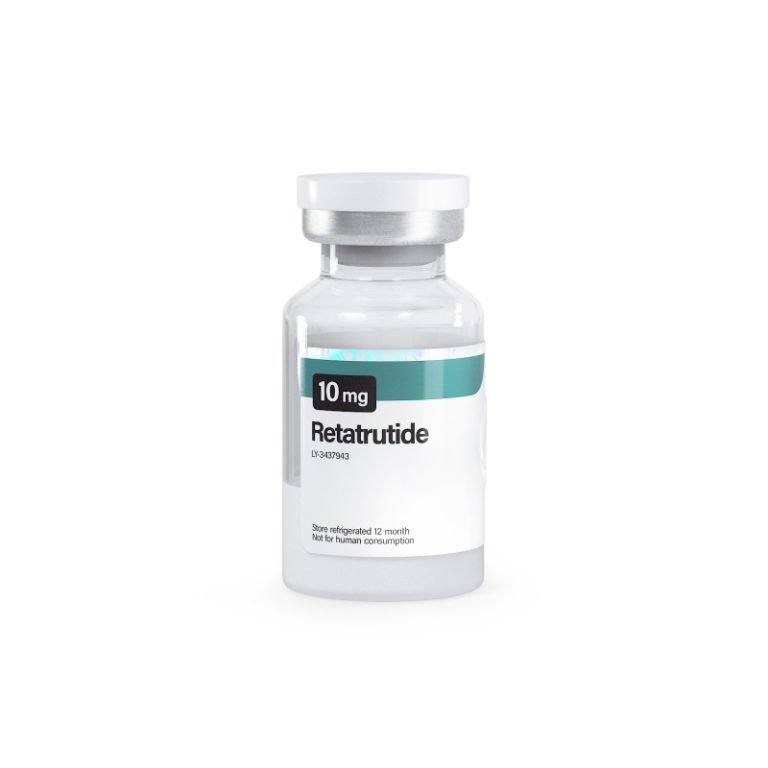
Retatrutide 10mg is a research peptide preparation containing 10mg of Retatrutide per vial. At NexorinPharma, we carry Retatrutide 10mg as part of our research peptide inventory for customers in markets where this compound is legally available.
Retatrutide is a triple receptor agonist peptide currently under clinical investigation by Eli Lilly. It targets three distinct hormone receptors simultaneously: the glucagon-like peptide-1 receptor, the glucose-dependent insulinotropic polypeptide receptor, and the glucagon receptor. This triple receptor agonism distinguishes Retatrutide pharmacologically from dual GLP-1 and GIP receptor agonists like Tirzepatide and single GLP-1 receptor agonists like Semaglutide.
Like all research peptide compounds, Retatrutide 10mg carries significant health and legal considerations. This page covers what Retatrutide is, how it works, and what research and regulatory considerations apply. It does not constitute medical advice. It does not recommend or encourage use outside of legitimate research contexts. It does not provide dosage guidance of any kind.
Product Specifications
Website: nexorinpharma.com Product Name: Retatrutide 10mg Active Compound: Retatrutide Also Known As: LY3437943, triple receptor agonist Drug Class: GLP-1/GIP/Glucagon triple receptor agonist peptide Concentration: 10mg per vial Presentation: Lyophilized powder for reconstitution Form: Injectable solution following reconstitution Half-Life: Approximately 6 days Route of Administration: Subcutaneous injection following reconstitution Mechanism of Action: Simultaneous agonism of GLP-1, GIP, and glucagon receptors Development Status: Phase 3 clinical trials as of 2024. Not FDA approved. Legal Status: Not FDA approved for human use. Research compound. Legal status varies by country.
What Is Retatrutide
Retatrutide is a synthetic peptide developed by Eli Lilly under the research designation LY3437943. It is a triple receptor agonist designed to simultaneously activate three distinct metabolic hormone receptors: the glucagon-like peptide-1 receptor, the glucose-dependent insulinotropic polypeptide receptor, and the glucagon receptor.
This triple receptor agonism represents a pharmacologically distinct approach compared to existing approved weight management and metabolic compounds. Single GLP-1 receptor agonists like Semaglutide activate one receptor. Dual GLP-1 and GIP receptor agonists like Tirzepatide activate two receptors. Retatrutide activates all three simultaneously, producing a broader and potentially more pronounced metabolic effect profile than either single or dual receptor agonist approaches.
Retatrutide is supplied as a lyophilized powder. Before use, the powder requires reconstitution with bacteriostatic or sterile water. It is not an FDA-approved medication. It remains under active clinical investigation as of the time of writing.
How Retatrutide Works
Retatrutide works through simultaneous agonism of three distinct metabolic hormone receptors. Each receptor contributes distinct physiological effects to its overall pharmacological profile.
GLP-1 Receptor Agonism
The glucagon-like peptide-1 receptor is the primary target of several approved metabolic and weight management compounds including Semaglutide and Liraglutide. GLP-1 receptor activation produces multiple metabolic effects. It stimulates glucose-dependent insulin secretion from pancreatic beta cells, reducing postprandial blood glucose. It suppresses glucagon secretion from pancreatic alpha cells, further reducing hepatic glucose production. In addition, it slows gastric emptying and produces satiety signaling in the central nervous system, reducing appetite and food intake. As a result, GLP-1 receptor agonism is one of the most clinically validated mechanisms for blood glucose management and weight reduction in the existing research literature.
GIP Receptor Agonism
The glucose-dependent insulinotropic polypeptide receptor is the second target of Retatrutide’s triple agonism. GIP receptor activation stimulates insulin secretion in a glucose-dependent manner. It also plays a role in lipid metabolism and adipose tissue function. Furthermore, GIP receptor agonism is believed to enhance the weight loss effects of GLP-1 receptor agonism when combined. Tirzepatide, which targets both GLP-1 and GIP receptors, has demonstrated greater weight loss outcomes in clinical trials than single GLP-1 receptor agonists alone. This clinical evidence supports the additive metabolic benefit of combining GLP-1 and GIP receptor agonism.
Glucagon Receptor Agonism
The glucagon receptor is the third and most pharmacologically distinct target in Retatrutide’s triple agonism profile. Glucagon receptor activation increases hepatic glucose production and stimulates lipolysis in adipose tissue. It also increases energy expenditure through thermogenic mechanisms. The inclusion of glucagon receptor agonism is the primary pharmacological distinction between Retatrutide and dual GLP-1 and GIP receptor agonists like Tirzepatide. Glucagon receptor agonism contributes additional lipolytic and thermogenic effects that enhance the overall metabolic and weight reduction profile beyond what GLP-1 and GIP receptor agonism alone produces.
Combined Triple Agonism Effects
The simultaneous activation of all three receptors produces a combined pharmacological effect profile greater than any single or dual receptor agonist approach. GLP-1 receptor agonism drives appetite suppression and glucose management. GIP receptor agonism enhances insulin response and lipid metabolism. Glucagon receptor agonism adds lipolytic and thermogenic effects. Together, these three mechanisms produce the pronounced weight reduction and metabolic improvement outcomes documented in Retatrutide phase 2 clinical trial data.
Clinical Research Background
Retatrutide is an investigational compound currently undergoing clinical trials. It does not hold FDA approval for any indication. The following overview covers the available clinical research data from published trial results.
Phase 1 Clinical Trials
Eli Lilly conducted Phase 1 clinical trials to assess the safety, tolerability, pharmacokinetics, and pharmacodynamics of Retatrutide in human subjects. Phase 1 data established its safety profile at various doses, confirmed its pharmacokinetic characteristics including the approximately 6-day half-life, and provided initial evidence of metabolic activity consistent with triple receptor agonism.
Phase 2 Clinical Trials
Phase 2 clinical trial data for Retatrutide published in 2023 generated significant attention in both clinical research and wider medical communities. The trial enrolled adults with obesity and reported substantial weight reduction outcomes over a 48-week treatment period. Participants receiving the highest dose studied achieved mean weight reductions of approximately 24 percent of body weight over the trial duration. These outcomes exceeded those documented for approved single and dual receptor agonist compounds in comparable trial designs. As a result, Phase 2 data positioned Retatrutide as one of the most promising investigational weight management compounds in active clinical development.
Phase 3 Clinical Trials
Eli Lilly initiated Phase 3 clinical trials for Retatrutide following the Phase 2 results. Phase 3 trials are the final stage of clinical investigation required before FDA approval consideration. These trials involve larger patient populations across multiple sites and are designed to confirm efficacy and safety outcomes established in earlier trial phases. Phase 3 trials for Retatrutide are ongoing as of the available research data. FDA approval has not been granted.
Cardiovascular Outcomes Research
Separate cardiovascular outcomes trials for Retatrutide are part of the broader clinical development program. GLP-1 receptor agonists as a drug class have demonstrated cardiovascular risk reduction in clinical outcomes trials for approved compounds. The cardiovascular outcomes research component of Retatrutide’s development program will provide data on its cardiovascular effects beyond the metabolic and weight management outcomes established in earlier trials.
Why Retatrutide Is Referenced in Research Communities
Retatrutide generates significant discussion in research, metabolic health, and performance communities. Several characteristics drive that discussion.
Phase 2 Weight Reduction Outcomes
The approximately 24 percent mean body weight reduction documented in Phase 2 trials represents the most pronounced weight reduction outcome reported for any investigational or approved metabolic compound in comparable trial designs as of the available data. This outcome drove widespread discussion in both clinical research and wider health communities following the publication of Phase 2 results.
Triple Receptor Mechanism
The pharmacological novelty of simultaneously targeting GLP-1, GIP, and glucagon receptors distinguishes Retatrutide from all currently approved metabolic compounds. This mechanistic distinction drives research community discussion about the potential therapeutic implications of adding glucagon receptor agonism to the established GLP-1 and GIP dual agonism approach validated by Tirzepatide’s clinical success.
Metabolic Research Interest
Beyond weight management, Retatrutide’s combined metabolic effects on glucose regulation, lipid metabolism, and energy expenditure generate research interest across multiple metabolic health conditions including type 2 diabetes, non-alcoholic fatty liver disease, and cardiovascular risk reduction. These broader metabolic research applications contribute to its consistent discussion in research communities beyond weight management alone.
Retatrutide Versus Other GLP-1 Class Compounds
Versus Semaglutide (Ozempic, Wegovy)
Semaglutide is a single GLP-1 receptor agonist approved for type 2 diabetes management and chronic weight management. Clinical trials for approved Semaglutide doses document mean weight reductions of approximately 15 percent of body weight over comparable treatment periods. Retatrutide’s Phase 2 data documents approximately 24 percent mean weight reduction at the highest dose studied. The addition of GIP and glucagon receptor agonism in Retatrutide’s triple mechanism produces greater metabolic effects than single GLP-1 receptor agonism alone. However, Semaglutide holds full FDA approval while Retatrutide remains investigational.
Versus Tirzepatide (Mounjaro, Zepbound)
Tirzepatide is a dual GLP-1 and GIP receptor agonist approved for type 2 diabetes management and chronic weight management. Clinical trials for approved Tirzepatide doses document mean weight reductions of approximately 20 to 22 percent of body weight at the highest approved doses. Retatrutide adds glucagon receptor agonism to the GLP-1 and GIP dual agonism that Tirzepatide already provides. Phase 2 data suggests this additional glucagon receptor agonism produces incrementally greater weight reduction and metabolic effects. However, Tirzepatide holds full FDA approval while Retatrutide remains investigational.
Versus Liraglutide (Victoza, Saxenda)
Liraglutide is a single GLP-1 receptor agonist approved for type 2 diabetes management and chronic weight management. It produces more modest weight reduction outcomes than Semaglutide, Tirzepatide, or the Phase 2 data for Retatrutide. As a result, Liraglutide represents the earlier generation of GLP-1 receptor agonist therapy against which more recent compounds including Retatrutide represent significant pharmacological advancement.
Versus Other Investigational Triple Agonists
Other pharmaceutical companies are developing triple receptor agonist compounds targeting similar receptor combinations to Retatrutide. This investigational drug class represents an active area of metabolic pharmaceutical development. Retatrutide is among the most advanced triple agonist compounds in clinical development given its Phase 3 status as of available data.
Reconstitution and Storage
Retatrutide is supplied as a lyophilized powder and requires reconstitution before use. Proper handling is essential for maintaining peptide integrity.
Reconstitution
Use bacteriostatic water or sterile water for injection. Bacteriostatic water is preferred for multi-dose vials as it contains a preservative that inhibits bacterial growth. Inject the water slowly along the inside wall of the vial rather than directly onto the powder. Then gently swirl the vial to mix. Shaking the vial degrades the peptide structure and must be avoided.
Storage Before Reconstitution
Store lyophilized powder refrigerated between 2 and 8 degrees Celsius, away from direct light and heat. Properly stored powder maintains stability for the duration of its labeled shelf life.
Storage After Reconstitution
Store reconstituted solution refrigerated between 2 and 8 degrees Celsius. Reconstituted peptide solutions are significantly less stable than lyophilized powder. Use reconstituted solution within the recommended timeframe. Freezing reconstituted solution degrades the peptide structure and must be avoided.
Side Effects and Health Risk Considerations
Retatrutide’s side effect profile is characterized by available Phase 2 clinical trial data. As an investigational compound without full FDA approval, its complete long-term side effect profile is not yet fully established.
Gastrointestinal Effects
Gastrointestinal side effects are the most commonly reported effects in Retatrutide Phase 2 trial data. These include nausea, vomiting, diarrhea, constipation, and decreased appetite. These effects are consistent with the gastrointestinal side effect profile documented across the GLP-1 receptor agonist drug class. In most cases, they are dose-dependent and most pronounced during initial dose escalation periods.
Nausea and Vomiting
Nausea is the most frequently reported side effect in Retatrutide Phase 2 trials. It is dose-dependent and most pronounced during early treatment. Vomiting is also reported, particularly during dose escalation. These effects are consistent with GLP-1 receptor agonist class effects and generally reduce over time with continued administration.
Cardiovascular Considerations
Retatrutide’s glucagon receptor agonism produces increases in heart rate, a known pharmacological effect of glucagon receptor activation. Heart rate increases are documented in Phase 2 trial data. Consequently, cardiovascular monitoring is a relevant health consideration for anyone using this compound, particularly those with pre-existing cardiovascular conditions.
Glucose Metabolism Considerations
Retatrutide’s GLP-1 and GIP receptor agonism produces glucose-dependent insulin secretion. At normal blood glucose levels, this mechanism does not produce hypoglycemia as a primary risk in most contexts. However, when combined with other glucose-lowering medications, hypoglycemia risk becomes a relevant consideration. Anyone using glucose-lowering medications should understand this interaction.
Incomplete Long-Term Safety Data
As an investigational compound without FDA approval, Retatrutide’s complete long-term side effect profile is not yet established. Phase 2 trial data covers a 48-week treatment period. Long-term effects beyond this observation window are not yet fully characterized in the available clinical literature. This represents a fundamental distinction between Retatrutide and approved compounds with longer post-approval safety surveillance data.
Thyroid Considerations
GLP-1 receptor agonists as a drug class carry documented associations with thyroid C-cell tumors in rodent studies. The clinical relevance of this finding in humans remains under investigation. Consequently, GLP-1 receptor agonists including those in the same class as Retatrutide carry precautionary contraindication considerations for individuals with personal or family history of medullary thyroid carcinoma or multiple endocrine neoplasia syndrome type 2.
Legal and Regulatory Status
Retatrutide does not hold FDA approval for any indication. It is an investigational compound currently undergoing Phase 3 clinical trials. As a result, it is not approved for human use as a medication in the United States or most other regulatory jurisdictions.
In the United States, Retatrutide is available for use only within the context of approved clinical trials. Use outside of clinical trial settings does not have regulatory approval. Obtaining and using investigational compounds outside of approved clinical trial contexts carries significant legal and regulatory considerations.
Retatrutide is not currently listed on WADA prohibited substance lists as of available data. However, regulatory and anti-doping status for investigational compounds can change as clinical development progresses. You are responsible for confirming the current regulatory and anti-doping status in your specific jurisdiction and sporting context.
You are responsible for confirming the legal status of Retatrutide in your specific jurisdiction before purchasing from NexorinPharma.
Frequently Asked Questions
Is Retatrutide 10mg Available at NexorinPharma
Yes. NexorinPharma carries Retatrutide 10mg for customers in markets where this research compound is legally available. Visit nexorinpharma.com to check current availability and pricing.
What Is the Half-Life of Retatrutide
Retatrutide produces a half-life of approximately 6 days. This extended half-life supports once-weekly subcutaneous administration in clinical trial protocols.
Is Retatrutide FDA Approved
No. Retatrutide does not hold FDA approval for any indication. It is an investigational compound currently undergoing Phase 3 clinical trials by Eli Lilly. Use outside of approved clinical trial contexts does not have regulatory approval.
How Does Retatrutide Differ From Semaglutide and Tirzepatide
Semaglutide is a single GLP-1 receptor agonist. Tirzepatide is a dual GLP-1 and GIP receptor agonist. Retatrutide adds glucagon receptor agonism to the GLP-1 and GIP dual agonism approach, making it a triple receptor agonist. This additional glucagon receptor agonism produces incremental lipolytic and thermogenic effects beyond those produced by single and dual receptor agonists. Phase 2 data suggests greater weight reduction outcomes with Retatrutide than with approved single and dual agonist compounds.
What Weight Reduction Outcomes Does Phase 2 Data Document
Phase 2 clinical trial data published in 2023 documents approximately 24 percent mean body weight reduction at the highest dose studied over a 48-week treatment period. These outcomes represent the most pronounced weight reduction documented for any investigational or approved metabolic compound in comparable trial designs as of available data.
What Are the Most Significant Health Considerations
Gastrointestinal side effects including nausea and vomiting are the most commonly reported effects in Phase 2 trial data. Heart rate increases from glucagon receptor agonism, thyroid considerations consistent with GLP-1 receptor agonist class effects, and incomplete long-term safety data from investigational status complete the primary health consideration profile. Medical supervision is therefore essential for anyone using this compound.
Is Retatrutide Legal to Purchase
Retatrutide does not hold FDA approval and is an investigational compound. Legal status varies significantly by jurisdiction. You are responsible for confirming the legal status in your jurisdiction before purchasing from NexorinPharma.
What to Consider Before Purchasing Retatrutide 10mg
Retatrutide represents one of the most clinically discussed investigational metabolic compounds in active development. Its Phase 2 weight reduction outcomes and triple receptor agonism mechanism have generated significant research and clinical community attention. The available clinical trial data provides a meaningful research base for understanding its pharmacological profile and preliminary safety data.
Retatrutide does not hold FDA approval. Its complete long-term side effect profile is not yet established. The research base is limited to Phase 2 trial data and ongoing Phase 3 investigation. This fundamental distinction from approved compounds means its full risk profile is not yet comprehensively characterized in the available literature.
Non-prescription Retatrutide preparations do not carry the manufacturing oversight of clinical trial grade research compounds used in Eli Lilly’s registered trials. Quality, purity, and concentration accuracy consequently differ between research-grade clinical trial materials and non-prescription market preparations.
Retatrutide carries documented gastrointestinal, cardiovascular, and thyroid health considerations. Its incomplete long-term safety profile from investigational status makes medical supervision particularly important for anyone using this compound. Consulting a licensed medical professional is the appropriate starting point for anyone with health concerns related to GLP-1 class compound use.
For customers in markets where Retatrutide is legally available, visit nexorinpharma.com to check current Retatrutide 10mg availability, pricing, and stock levels.
Be the first to review “Retatrutide 10mg USA”
Related products
our products
our products
our products

our products
our products
our products
our products
our products
Reviews
There are no reviews yet.