Nandrolone Decanoate (Deca Durabolin) | NexorinPharma
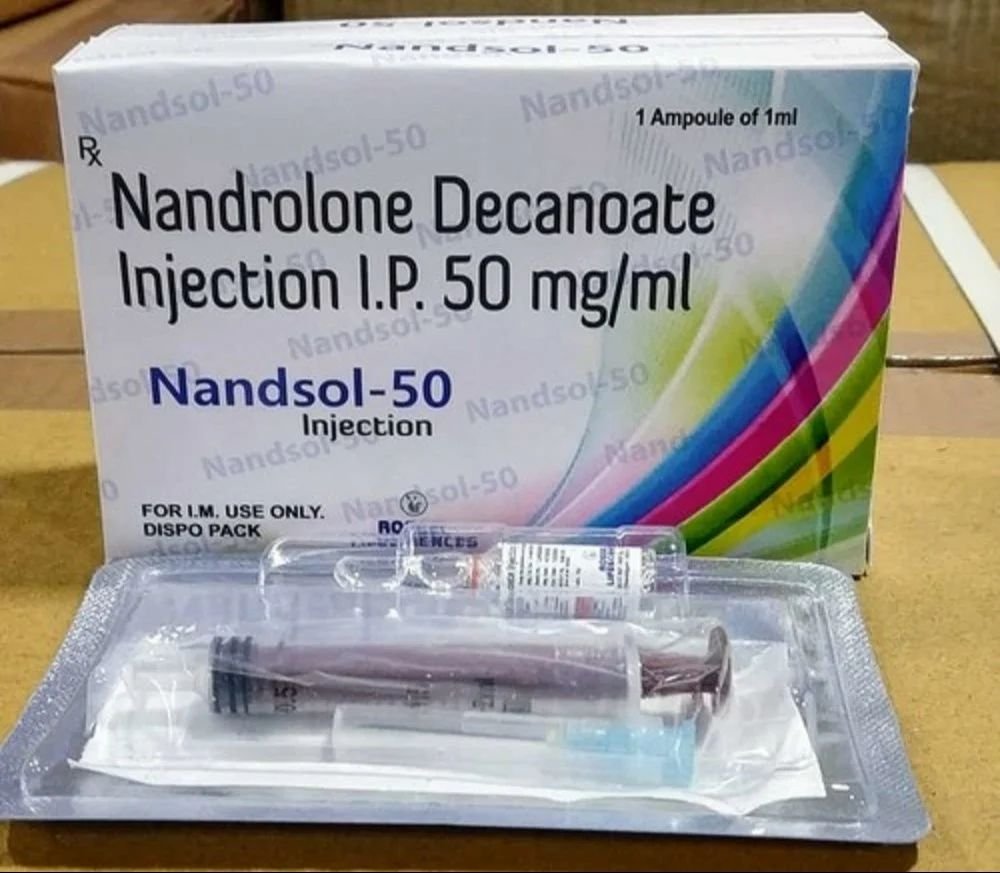
Nandrolone Decanoate is an injectable anabolic steroid containing Nandrolone Decanoate per milliliter. At NexorinPharma, we carry Nandrolone Decanoate as part of our injectable anabolic steroid inventory for customers in markets where Nandrolone Decanoate is legally available.
Nandrolone Decanoate is one of the most widely used and extensively documented anabolic steroids in both clinical and performance settings worldwide. It carries active FDA approval for specific medical indications and has a well-established clinical research base spanning several decades. The decanoate ester produces a half-life of approximately 6 to 12 days, making it a long-acting injectable preparation requiring less frequent administration compared to shorter-acting compounds.
Like all anabolic-androgenic steroids, Nandrolone Decanoate carries significant health and legal considerations. This page covers what Nandrolone Decanoate is, how it works, and what health and legal considerations apply. It does not constitute medical advice. It does not recommend or encourage steroid use. It does not provide dosage, cycle, or stacking guidance of any kind.
Product Specifications
Website: nexorinpharma.com Product Name: Nandrolone Decanoate Also Known As: Deca Durabolin, Deca, Nandrolone D, NPP long ester Drug Class: Anabolic-androgenic steroid, 19-nor steroid, injectable Concentration: 250mg per milliliter Presentation: Injectable solution Form: Oil-based injectable Half-Life: Approximately 6 to 12 days Ester: Decanoate Route of Administration: Intramuscular injection Anabolic Rating: 125 relative to testosterone baseline of 100 Androgenic Rating: 37 relative to testosterone baseline of 100 Aromatization: Low. Converts to estrogen at approximately 20 percent the rate of testosterone. Progestogenic Activity: Yes 17-Alpha Alkylated: No Liver Toxicity: Low FDA Approval: Yes. Approved for specific anemia indications and osteoporosis in postmenopausal women. Legal Status: Schedule III controlled substance in the United States. Prescription required. Legal status varies by country.
What Is Nandrolone Decanoate
Nandrolone is a synthetic anabolic-androgenic steroid belonging to the 19-nor steroid family. The 19-nor classification refers to the absence of a carbon atom at the 19th position of the steroid structure. This structural modification produces a compound with significantly higher anabolic activity relative to its androgenic activity compared to testosterone.
Nandrolone was first synthesized in 1950 and has since become one of the most extensively studied anabolic steroids in both clinical and veterinary medicine. Organon introduced it to the pharmaceutical market under the brand name Deca Durabolin in 1962 using the long-acting decanoate ester. This brand name consequently became one of the most widely recognized in anabolic steroid history across both clinical and performance communities globally.
The decanoate ester attached to the base Nandrolone compound determines its release rate and duration of activity. Decanoate is a long-acting ester producing a half-life of approximately 6 to 12 days. As a result, Nandrolone Decanoate provides sustained Nandrolone plasma concentrations with less frequent administration compared to shorter-acting Nandrolone Phenylpropionate.
How Nandrolone Decanoate Works
After intramuscular injection, the oil-based preparation deposits at the injection site. Enzymes in the body gradually separate the decanoate ester from the Nandrolone molecule. Free Nandrolone then enters the bloodstream and becomes active throughout the body.
Androgen Receptor Binding
Nandrolone binds to androgen receptors throughout the body. Its anabolic rating of 125 relative to testosterone’s baseline of 100 reflects its stronger anabolic receptor activity. Its androgenic rating of 37, on the other hand, reflects its significantly lower androgenic activity compared to testosterone. As a result, Nandrolone Decanoate produces a favorable anabolic-to-androgenic ratio that distinguishes it from most other injectable anabolic steroids.
Nitrogen Retention
Nandrolone Decanoate produces strong positive nitrogen retention in muscle tissue. The body retains significantly more nitrogen than it excretes. Consequently, this produces a pronounced anabolic environment that strongly favors muscle repair and growth. This nitrogen retention effect is one of the most consistently documented pharmacological characteristics of Nandrolone in clinical research.
Protein Synthesis
Nandrolone Decanoate accelerates protein synthesis in skeletal muscle tissue. Faster protein synthesis supports muscle repair and growth following training. This mechanism is directly tied to its androgen receptor activity and contributes to its well-documented clinical and performance-related anabolic effects.
Collagen Synthesis
Nandrolone Decanoate stimulates collagen synthesis in connective tissue. This effect on collagen production is one of the most pharmacologically distinctive characteristics of Nandrolone compared to most other anabolic steroids. As a result, it is consistently discussed in performance communities in the context of joint support and connective tissue health. This mechanism also underlies its clinical application in osteoporosis management.
Low Aromatization
Nandrolone converts to estrogen through the aromatase enzyme at approximately 20 percent the rate of testosterone. This low aromatization rate produces modest estrogen elevation compared to testosterone-based compounds. Consequently, estrogenic side effects are less pronounced with Nandrolone Decanoate than with aromatizing testosterone preparations at comparable doses. However, estrogenic management remains a relevant consideration due to Nandrolone’s progestogenic activity.
Progesterone Receptor Activity
Nandrolone shows notable affinity for progesterone receptors. This progestogenic activity produces side effects including gynecomastia and sexual dysfunction despite the low rate of estrogenic aromatization. This characteristic is one of the most pharmacologically significant distinguishing features of Nandrolone compared to non-progestogenic anabolic steroids and requires specific consideration in side effect management.
Red Blood Cell Production
Nandrolone Decanoate stimulates erythropoietin production and red blood cell production. This erythropoietic effect is one of the documented mechanisms underlying its clinical application in anemia management. As a result, increased red blood cell production and improved oxygen-carrying capacity are among the consistently documented pharmacological effects of Nandrolone Decanoate in clinical research.
IGF-1 Stimulation
Nandrolone Decanoate increases Insulin-like Growth Factor 1 production. IGF-1 plays a direct role in muscle repair, recovery, and anabolic activity throughout the body. This mechanism consequently contributes to the recovery-related observations consistently reported in performance community discussions about Nandrolone use.
Why the Decanoate Ester Distinguishes This Preparation
The decanoate ester produces a half-life of approximately 6 to 12 days. This long half-life provides sustained Nandrolone plasma concentrations following each injection and requires less frequent administration compared to shorter-acting Nandrolone preparations.
Compare that to Nandrolone Phenylpropionate. The phenylpropionate ester produces a half-life of approximately 4 to 5 days and requires more frequent injection to maintain stable plasma concentrations. The decanoate ester in Nandrolone Decanoate removes that requirement, making it a more practical option for sustained Nandrolone elevation with less frequent injection. This practical distinction is the primary pharmacokinetic consideration differentiating Nandrolone Decanoate from Nandrolone Phenylpropionate in performance community discussions.
Clinical Background
Nandrolone Decanoate carries a well-documented clinical history across multiple indications. This clinical background distinguishes it from most anabolic steroids discussed in performance communities and provides an extensive research base for understanding its pharmacological profile.
FDA-Approved Anemia Indications
The FDA approved Nandrolone Decanoate for the treatment of anemia associated with renal insufficiency. Clinical research documents meaningful improvements in hemoglobin levels and red blood cell production in patients with anemia from chronic kidney disease treated with Nandrolone Decanoate. This clinical approval reflects its documented erythropoietic mechanism and provides a meaningful clinical research context for its pharmacological profile.
Osteoporosis in Postmenopausal Women
The FDA also approved Nandrolone Decanoate for the management of osteoporosis in postmenopausal women. Clinical research documents improvements in bone mineral density with Nandrolone Decanoate treatment. This approval reflects its documented collagen synthesis stimulation and anabolic effects on bone tissue and provides additional clinical context for its pharmacological profile.
HIV and AIDS-Related Wasting
Nandrolone Decanoate has been extensively studied for the treatment of HIV and AIDS-related muscle wasting. Multiple controlled clinical trials document its efficacy in preserving and restoring lean body mass in HIV-positive patients experiencing involuntary weight loss. This clinical application represents one of the most well-documented uses of Nandrolone Decanoate in modern medical research.
Breast Cancer
Nandrolone Decanoate was historically used in several markets for the treatment of metastatic breast cancer in women. This oncological application reflects its anti-estrogenic effects through progestogenic activity and androgen receptor-mediated mechanisms. While largely replaced by more targeted modern therapies, this historical clinical application contributes to the broader clinical research context for Nandrolone Decanoate.
Nandrolone Decanoate Versus Other Injectable Anabolic Steroids
Versus Nandrolone Phenylpropionate
Both Nandrolone Decanoate and Nandrolone Phenylpropionate contain Nandrolone as the active compound and carry identical anabolic and androgenic ratings. The distinction is the ester and injection frequency. Nandrolone Phenylpropionate uses the shorter-acting phenylpropionate ester with a half-life of approximately 4 to 5 days, requiring more frequent administration. Nandrolone Decanoate uses the longer-acting decanoate ester with a half-life of approximately 6 to 12 days, requiring less frequent injection. Both produce identical Nandrolone-mediated pharmacological effects once the active compound is released.
Versus Testosterone Enanthate
Testosterone Enanthate carries an anabolic rating of 100 and androgenic rating of 100 while Nandrolone Decanoate carries an anabolic rating of 125 and androgenic rating of only 37. Testosterone aromatizes significantly to estrogen while Nandrolone aromatizes at only approximately 20 percent the rate of testosterone. Both compounds show some progestogenic activity, though Nandrolone’s progestogenic activity is more pronounced. As a result, Nandrolone Decanoate produces a higher anabolic-to-androgenic ratio with lower estrogenic conversion than Testosterone Enanthate.
Versus Trenbolone Enanthate
Trenbolone Enanthate carries anabolic and androgenic ratings of 500 each compared to Nandrolone’s anabolic rating of 125 and androgenic rating of 37. Both compounds belong to the 19-nor steroid family and show progestogenic activity. However, Trenbolone does not aromatize at all while Nandrolone aromatizes at a low rate. Trenbolone consequently represents a significantly more potent compound than Nandrolone Decanoate with a considerably more aggressive side effect profile.
Versus Boldenone Undecylenate
Boldenone Undecylenate is a long-acting injectable anabolic steroid with moderate aromatization. Nandrolone Decanoate carries a higher anabolic rating than Boldenone and aromatizes at a lower rate. Both compounds carry long-acting ester profiles. However, Nandrolone’s progestogenic activity distinguishes it from Boldenone, which does not show significant progestogenic activity. As a result, the two compounds carry distinct side effect profiles despite both being long-acting injectable anabolic steroids.
Versus Methenolone Enanthate (Primobolan Depot)
Methenolone Enanthate is a non-aromatizing injectable anabolic steroid with no progestogenic activity. Nandrolone Decanoate carries higher anabolic activity than Methenolone but also carries low aromatization and progestogenic side effect considerations that Methenolone does not produce. Methenolone consequently represents a milder overall side effect profile than Nandrolone Decanoate, particularly regarding progestogenic and estrogenic considerations.
Side Effects and Health Risks
Nandrolone Decanoate carries a well-documented side effect profile based on extensive clinical research across its approved indications and decades of observational data from performance community use.
Progestogenic Effects
Nandrolone’s affinity for progesterone receptors produces progestogenic side effects. These include gynecomastia and sexual dysfunction despite the low rate of estrogenic aromatization. This progestogenic side effect pathway is distinct from estrogenic gynecomastia associated with aromatizing compounds and requires different management considerations. As a result, standard aromatase inhibitors alone may not fully address gynecomastia risk with Nandrolone Decanoate use.
Sexual Dysfunction
Sexual dysfunction, particularly reduced libido, is among the most consistently reported side effects associated with Nandrolone Decanoate use in both clinical research and performance community discussions. This effect is driven by both HPG axis suppression reducing natural testosterone production and Nandrolone’s progestogenic activity. It is widely discussed in performance communities under the informal term Deca Dick. Consequently, this side effect is among the most pharmacologically significant practical considerations with Nandrolone Decanoate use.
Hormonal Suppression
Nandrolone Decanoate suppresses the hypothalamic-pituitary-gonadal axis and the body’s natural testosterone production. The degree of HPG axis suppression with Nandrolone is generally considered among the most pronounced of any anabolic steroid due to its combined androgenic suppression and progestogenic activity. Post-use hormonal disruption can persist for months. In some cases, it results in long-term or permanent hypogonadism requiring ongoing medical treatment.
Cardiovascular Effects
Nandrolone Decanoate produces adverse lipid profile changes. HDL cholesterol decreases while LDL cholesterol increases. These lipid changes carry long-term cardiovascular health implications. Furthermore, elevated hematocrit from increased red blood cell production raises blood viscosity and cardiovascular risk. Regular cardiovascular monitoring is therefore important for anyone using Nandrolone Decanoate.
Androgenic Effects
Despite its relatively low androgenic rating of 37, Nandrolone Decanoate still produces androgenic side effects in susceptible individuals. These include accelerated hair loss in genetically predisposed individuals and acne. In women, virilization effects including voice deepening and changes in body hair distribution are serious considerations even with lower-androgenic compounds.
Estrogenic Effects
The low but present aromatization rate of Nandrolone produces modest estrogen elevation. Combined with its progestogenic activity, this produces a complex hormonal environment that requires monitoring. Water retention and gynecomastia risk from combined estrogenic and progestogenic activity are relevant side effect considerations for anyone using Nandrolone Decanoate.
Injection Site Reactions
As an oil-based intramuscular injectable, Nandrolone Decanoate carries injection site risks including pain, swelling, and in rare cases infection. Proper injection technique and sterile practices are therefore essential for anyone using this preparation.
Legal and Regulatory Status
Nandrolone Decanoate carries active FDA approval for specific anemia and osteoporosis indications. Outside of those approved indications, however, it carries Schedule III controlled substance status in the United States. Possession without a valid prescription is a federal offense.
In the United Kingdom, Nandrolone Decanoate falls under Class C of the Misuse of Drugs Act. Supply is illegal.
The World Anti-Doping Agency bans Nandrolone Decanoate alongside all major athletic governing bodies. It has been involved in several high-profile doping cases in competitive sports history. As a result, it appears on prohibited substance lists across Olympic sports, professional athletics, and competitive bodybuilding organizations that conduct testing.
You are responsible for confirming the legal status of Nandrolone Decanoate in your specific jurisdiction before purchasing from NexorinPharma.
Frequently Asked Questions
Is Nandrolone Decanoate Available at NexorinPharma
Yes. NexorinPharma carries Nandrolone Decanoate for customers in markets where it is legally available. Visit nexorinpharma.com to check current availability and pricing.
What Is the Half-Life of Nandrolone Decanoate
The decanoate ester produces a half-life of approximately 6 to 12 days. As a result, Nandrolone Decanoate provides sustained plasma concentrations with less frequent administration compared to shorter-acting Nandrolone preparations.
Does Nandrolone Decanoate Aromatize
Yes, but at a significantly lower rate than testosterone. Nandrolone converts to estrogen at approximately 20 percent the rate of testosterone. Consequently, estrogenic side effects are less pronounced than with testosterone-based compounds. However, Nandrolone’s progestogenic activity adds a distinct hormonal side effect consideration beyond its direct estrogenic conversion.
What Is Deca Dick
Deca Dick is an informal term widely used in performance communities to describe the sexual dysfunction, particularly reduced libido and erectile dysfunction, commonly associated with Nandrolone Decanoate use. The mechanism involves HPG axis suppression reducing natural testosterone production combined with Nandrolone’s progestogenic activity. This side effect is consequently among the most widely discussed practical considerations with Nandrolone Decanoate use in performance communities.
How Does Nandrolone Decanoate Differ From Trenbolone
Both belong to the 19-nor steroid family and show progestogenic activity. However, Trenbolone carries anabolic and androgenic ratings of 500 each compared to Nandrolone’s 125 and 37 respectively. Trenbolone does not aromatize while Nandrolone aromatizes at a low rate. Trenbolone consequently represents a significantly more potent compound with a considerably more aggressive side effect profile than Nandrolone Decanoate.
What Are the Most Serious Health Risks
Hormonal suppression including the sexual dysfunction associated with HPG axis suppression and progestogenic activity, cardiovascular effects from lipid dysregulation and elevated hematocrit, and progestogenic gynecomastia are the most clinically significant concerns. In addition, androgenic effects and estrogenic effects from low aromatization complete the primary risk profile. Medical supervision and regular blood work monitoring are therefore essential for anyone using Nandrolone Decanoate.
Is Nandrolone Decanoate Legal to Purchase
Nandrolone Decanoate carries Schedule III controlled substance status in the United States outside of its approved clinical indications and requires a valid prescription. Legal status varies by jurisdiction. You are responsible for confirming the legal status in your jurisdiction before purchasing from NexorinPharma.
What to Consider Before Purchasing Nandrolone Decanoate
Nandrolone Decanoate has one of the most extensive clinical research bases of any anabolic steroid discussed in performance communities. Its active FDA approval, documented clinical applications across multiple indications, and decades of controlled clinical trial data provide a substantially stronger research foundation than most injectable anabolic steroids carry. That research base applies to the pharmacological and risk profile of the active compound regardless of the specific manufacturer or format.
Non-prescription Nandrolone Decanoate preparations do not carry the manufacturing oversight of pharmaceutical grade products. Quality, purity, and concentration accuracy are consequently less verifiable than with regulated products. The clinical research base for Nandrolone Decanoate at approved clinical doses provides a relevant pharmacological framework. However, it does not fully represent the risk profile at higher non-prescription concentrations used outside of clinical supervision.
Nandrolone Decanoate carries documented progestogenic, hormonal, cardiovascular, androgenic, and estrogenic health risks. The sexual dysfunction associated with its progestogenic and HPG axis suppression effects represents a particularly significant practical consideration. These risks require medical supervision to manage responsibly. Consulting a licensed medical professional is therefore the appropriate starting point for anyone with health concerns related to Nandrolone Decanoate use.
For customers in markets where Nandrolone Decanoate is legally available, visit nexorinpharma.com to check current availability, pricing, and stock levels.
Be the first to review “nandrolone decanoate for sale”
Related products
our products
our products
our products
our products
our products
our products
Reviews
There are no reviews yet.