Gentropin 210IU (Somatropin Human Growth Hormone) | NexorinPharma
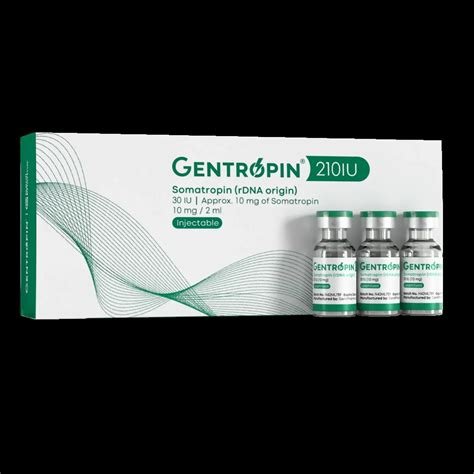
Gentropin 210IU is a recombinant Human Growth Hormone preparation containing a total of 210 international units of Somatropin per kit. At NexorinPharma, we carry Gentropin 210IU as part of our peptide and growth hormone inventory for customers in markets where Human Growth Hormone is legally available.
Somatropin is the active compound in Gentropin. It is a synthetic form of Human Growth Hormone produced through recombinant DNA technology. The body produces Human Growth Hormone naturally through the anterior pituitary gland, driving growth, metabolism, body composition, and numerous other physiological processes throughout the body. Gentropin delivers a structurally identical version of that same hormone through injectable administration.
Like all growth hormone preparations, Gentropin 210IU carries significant health and legal considerations. This page covers what Somatropin is, how it works, and what health and legal considerations apply. It does not constitute medical advice. It does not recommend or encourage hormone use. It does not provide dosage or cycle guidance of any kind.
Product Specifications
Website: nexorinpharma.com Product Name: Gentropin 210IU Active Compound: Somatropin (recombinant Human Growth Hormone) Also Known As: HGH, rHGH, Human Growth Hormone, GH Drug Class: Peptide hormone, growth hormone Total Kit Content: 210IU per kit Presentation: Lyophilized powder for reconstitution Form: Injectable solution following reconstitution Half-Life: Approximately 2 to 3 hours following subcutaneous injection Route of Administration: Subcutaneous or intramuscular injection following reconstitution Molecular Structure: 191 amino acid sequence identical to endogenous Human Growth Hormone Legal Status: Prescription only in the United States and most developed countries. Legal status varies by country.
About the 210IU Kit Format
The 210IU total kit content of Gentropin represents a higher-volume growth hormone preparation compared to standard single-vial formats. Understanding the kit format is relevant context for anyone researching this specific product.
Kit Structure
Gentropin 210IU is typically presented as a multi-vial kit containing multiple individual Somatropin vials that together total 210 international units. This kit format provides a larger total supply compared to standard single-vial preparations like Hygetropin 10IU. As a result, the 210IU kit format is a practical presentation for sustained growth hormone use over an extended period.
Comparison With Single-Vial Formats
Standard single-vial non-prescription growth hormone preparations are commonly available at 10IU per vial. The Gentropin 210IU kit consequently provides the equivalent of 21 standard 10IU vials in a single kit. This larger total supply reflects the sustained administration requirements associated with growth hormone use over extended periods.
Non-Prescription Market Context
Gentropin 210IU is produced for markets where Human Growth Hormone is legally available outside of prescription channels. It does not carry the manufacturing oversight, regulatory scrutiny, or clinical documentation of pharmaceutical grade FDA-approved Somatropin products. Quality, purity, and concentration accuracy are consequently less verifiable than with regulated products.
What Is Somatropin
The anterior pituitary gland produces Human Growth Hormone naturally, releasing it in pulses throughout the day. The largest pulse occurs during deep sleep. Human Growth Hormone is a peptide hormone consisting of a 191 amino acid single-chain polypeptide.
Somatropin is the recombinant form of that same hormone. Scientists produce it by inserting the human GH gene into bacterial or mammalian cell lines. Those cell lines then produce a 191 amino acid sequence structurally identical to the hormone the pituitary gland produces naturally. This recombinant production method replaced earlier cadaver-derived growth hormone preparations entirely and eliminated the serious health risks associated with those earlier methods.
Gentropin contains Somatropin in lyophilized, or freeze-dried, powder form. Lyophilization preserves the peptide structure during storage. Before use, the powder requires reconstitution with bacteriostatic or sterile water.
How Somatropin Works
Somatropin works through two primary pathways. It acts directly on target tissues through growth hormone receptors and also stimulates IGF-1 production in the liver and other tissues, driving many of its downstream anabolic and metabolic effects.
Growth Hormone Receptor Activation
Somatropin binds to growth hormone receptors on target cells throughout the body. This binding activates intracellular signaling pathways that influence cell growth, differentiation, and metabolism. Growth hormone receptors are present in muscle tissue, adipose tissue, bone, the liver, and numerous other organs throughout the body.
IGF-1 Stimulation
Somatropin stimulates the liver to produce IGF-1, the primary mediator of Human Growth Hormone’s anabolic and growth-promoting effects. IGF-1 promotes cell growth, protein synthesis, and muscle tissue development. As a result, much of Somatropin’s anabolic activity is driven indirectly through IGF-1 rather than direct receptor activation alone.
Protein Synthesis
Somatropin increases protein synthesis throughout the body through both direct receptor activation and IGF-1 stimulation. Enhanced protein synthesis supports muscle tissue development, repair, and maintenance. Consequently, this is one of the most consistently referenced pharmacological characteristics of Human Growth Hormone in both clinical and performance community discussions.
Lipolysis
Somatropin stimulates lipolysis, the breakdown of stored fat in adipose tissue, by activating hormone-sensitive lipase in fat cells. This releases free fatty acids into circulation for use as energy. The lipolytic effect is therefore one of the most clinically documented metabolic actions of Human Growth Hormone and is directly relevant to its effects on body composition.
Bone Growth and Density
Somatropin stimulates bone growth and increases bone mineral density. In children and adolescents, it drives linear bone growth through chondrocyte proliferation in growth plates. In adults, on the other hand, it contributes to bone remodeling and density maintenance rather than linear growth.
Glucose Metabolism
Somatropin reduces insulin sensitivity and increases hepatic glucose production. These effects are dose-dependent and become clinically significant at concentrations above standard replacement therapy levels. For this reason, glucose metabolism is a primary metabolic health consideration with Somatropin use.
Fluid Retention
Somatropin increases sodium and water retention through its effects on the renin-angiotensin system. Fluid retention is one of the most commonly reported effects with growth hormone use and is dose-dependent in nature. In most cases, it resolves with dose reduction.
Why Gentropin Is Referenced in Performance Communities
Human Growth Hormone generates consistent discussion in bodybuilding and performance communities. Several specific characteristics drive that discussion.
Body Composition Effects
Somatropin produces anabolic effects on muscle tissue through IGF-1 stimulation while simultaneously driving lipolysis in adipose tissue. This combined anabolic and fat-metabolizing profile distinguishes it from anabolic-androgenic steroids, which primarily drive anabolic activity without a direct lipolytic mechanism. As a result, Human Growth Hormone is a consistent topic in body composition discussions across performance communities.
Recovery and Tissue Repair
Human Growth Hormone plays a documented role in tissue repair and recovery. IGF-1 stimulation, enhanced protein synthesis, and collagen synthesis all contribute to the recovery-related observations discussed in performance communities. Furthermore, these mechanisms underpin its clinical applications in injury recovery and wound healing contexts.
Non-Androgenic Profile
Unlike anabolic-androgenic steroids, Somatropin does not bind to androgen receptors and does not produce androgenic side effects. Its side effect profile therefore differs fundamentally from anabolic steroids. This non-androgenic characteristic drives discussion among individuals seeking anabolic effects without the androgenic side effect considerations associated with anabolic steroid use.
High-Volume Kit Format
The 210IU kit format of Gentropin is specifically relevant in performance community discussions. Growth hormone use in performance contexts typically involves extended administration periods. The 210IU kit provides a larger total supply than standard single-vial formats, making it a practical presentation for sustained use over an extended period.
Clinical Background
Somatropin carries a well-documented clinical history across multiple FDA-approved indications. This background sets it apart from most compounds discussed in performance communities.
Growth Hormone Deficiency in Children
The FDA approves Somatropin for growth failure in children with inadequate endogenous growth hormone secretion. Clinical trials document consistent improvements in linear growth velocity in growth hormone-deficient children. This represents the most historically established clinical indication for Human Growth Hormone therapy.
Growth Hormone Deficiency in Adults
The FDA also approves Somatropin for adult growth hormone deficiency. Adults with documented deficiency experience improvements in body composition, bone density, lipid profiles, and quality of life with replacement therapy under medical supervision.
HIV-Associated Wasting
In addition, the FDA approved Somatropin for HIV-associated wasting and cachexia under the brand name Serostim. Clinical trials document improvements in lean body mass and physical performance in HIV-positive patients with wasting. This approval reflects its documented efficacy in muscle mass preservation under catabolic conditions.
Short Stature Conditions
The FDA approves Somatropin for several short stature conditions including Turner syndrome, Noonan syndrome, Prader-Willi syndrome, and short stature homeobox gene deficiency. These pediatric indications reflect the breadth of its clinical applications across growth-related conditions.
Short Bowel Syndrome
The FDA also approved Somatropin under the brand name Zorbtive for short bowel syndrome in patients dependent on parenteral nutrition. This represents a distinct clinical application entirely outside of growth and body composition indications.
Gentropin Versus Other Growth Hormone Preparations
Versus Hygetropin 10IU
Hygetropin 10IU is a single-vial non-prescription growth hormone preparation containing 10IU per vial. Gentropin 210IU provides the equivalent of 21 standard 10IU vials in a single kit. Both are non-prescription Somatropin preparations produced outside regulated pharmaceutical channels. The primary distinction is the total supply format rather than fundamental pharmacological differences in the active compound.
Versus Pharmaceutical Grade Somatropin
FDA-approved Somatropin products include Genotropin, Humatrope, Norditropin, Nutropin, and Saizen. These products carry strict regulatory oversight, comprehensive batch testing, and verified concentration accuracy. Gentropin is produced outside these regulatory frameworks. Quality verification standards consequently differ fundamentally between pharmaceutical grade and non-prescription growth hormone preparations.
Versus IGF-1 Preparations
IGF-1 preparations act downstream of Human Growth Hormone in the growth hormone axis, bypassing the liver stimulation step and acting directly on IGF-1 receptors. Somatropin, by contrast, produces a broader range of effects through direct growth hormone receptor activation in addition to IGF-1 stimulation. Exogenous IGF-1 therefore acts more specifically through IGF-1 receptor pathways alone.
Versus Peptide Growth Hormone Secretagogues
Peptide secretagogues including GHRP-2, GHRP-6, and Ipamorelin stimulate the pituitary gland to release endogenous growth hormone rather than supplying recombinant growth hormone directly. They work upstream of Somatropin in the growth hormone axis. As a result, their effects are mediated through stimulating natural growth hormone release rather than directly providing exogenous Somatropin to the body.
Reconstitution and Storage
Gentropin is supplied as a lyophilized powder and requires reconstitution before use. Proper handling is essential for maintaining peptide integrity throughout the process.
Reconstitution
Use bacteriostatic water or sterile water for injection. Bacteriostatic water is preferred for multi-dose vials as it contains a preservative that inhibits bacterial growth. Inject the water slowly along the inside wall of the vial rather than directly onto the powder. Then gently swirl the vial to mix. Shaking the vial degrades the peptide structure and must be avoided.
Storage Before Reconstitution
Store lyophilized powder refrigerated between 2 and 8 degrees Celsius, away from direct light and heat. Properly stored powder maintains stability for the duration of its labeled shelf life.
Storage After Reconstitution
Store reconstituted solution refrigerated between 2 and 8 degrees Celsius. Reconstituted solution is significantly less stable than lyophilized powder, so use it within the recommended timeframe. Freezing reconstituted solution degrades the peptide structure and must be avoided entirely.
Side Effects and Health Risks
Gentropin carries a well-documented side effect profile based on extensive clinical research across Somatropin’s approved indications.
Fluid Retention and Edema
Fluid retention is one of the most commonly reported effects with Somatropin use. It produces swelling in the extremities, joint discomfort, and carpal tunnel symptoms. These effects are dose-dependent and generally resolve with dose reduction.
Carpal Tunnel Syndrome
Numbness, tingling, and pain in the hands and wrists are consistently reported in both clinical research and performance community discussions about growth hormone use. Fluid retention and tissue swelling in the wrist compress the median nerve, producing these symptoms. This side effect is therefore relevant to anyone using growth hormone preparations regardless of concentration.
Insulin Resistance
Somatropin reduces insulin sensitivity and increases hepatic glucose production in a dose-dependent manner. At concentrations above standard clinical replacement levels, insulin resistance becomes a significant health concern. Consequently, monitoring fasting glucose and insulin sensitivity is an important consideration for anyone using Somatropin.
Joint and Muscle Pain
Joint pain, muscle pain, and musculoskeletal discomfort are commonly reported with Somatropin use. These effects are associated with fluid retention and tissue growth and are generally dose-dependent. In most cases, they reduce with lower concentrations.
Acromegaly Risk
Long-term supraphysiological Somatropin use carries documented acromegaly risk. Acromegaly produces excessive growth of bone and soft tissue, resulting in enlargement of the hands, feet, and facial features. It carries serious long-term consequences including cardiovascular complications and joint disease. This risk is therefore directly relevant to anyone using growth hormone at concentrations exceeding physiological replacement levels over extended periods.
Cancer Risk Considerations
Human Growth Hormone stimulates cell growth and proliferation throughout the body. Clinical guidelines consequently caution against Somatropin use in individuals with active malignancy. The relationship between long-term supraphysiological growth hormone exposure and cancer risk remains an area of ongoing research. Anyone with a personal or family history of malignancy should therefore discuss this consideration with their physician before using any growth hormone preparation.
Pituitary Suppression
Exogenous Somatropin suppresses the pituitary gland’s natural growth hormone secretion through negative feedback on the hypothalamic-pituitary axis. Long-term use consequently reduces natural growth hormone output. The extent and reversibility of this suppression varies depending on duration and concentration of use.
Injection Site Reactions
Subcutaneous injections carry risks including localized pain, redness, swelling, and lipoatrophy with repeated injection at the same site. Rotating injection sites reduces these risks significantly.
Legal and Regulatory Status
Somatropin is prescription-only in the United States and most developed countries. The FDA approves it for specific clinical indications under multiple brand names. Outside of these indications, obtaining it without a valid prescription is a legal offense in many jurisdictions.
In the United States, Human Growth Hormone carries additional legal restrictions beyond standard prescription requirements. Federal law specifically prohibits its distribution for anti-aging, athletic performance, or bodybuilding purposes regardless of prescription status. This legal distinction is directly relevant to anyone researching Gentropin in a US context.
The World Anti-Doping Agency bans Somatropin and all growth hormone preparations in competitive sports. As a result, it appears on prohibited substance lists across Olympic sports, professional athletics, and competitive bodybuilding organizations that conduct testing.
You are responsible for confirming the legal status of Somatropin in your specific jurisdiction before purchasing from NexorinPharma.
Frequently Asked Questions
Is Gentropin 210IU Available at NexorinPharma
Yes. NexorinPharma carries Gentropin 210IU for customers in markets where Human Growth Hormone is legally available. Visit nexorinpharma.com to check current availability and pricing.
What Is the Total Content of a Gentropin 210IU Kit
The Gentropin 210IU kit contains a total of 210 international units of Somatropin across its multiple vial contents. This is equivalent to 21 standard 10IU single-vial growth hormone preparations.
What Is the Half-Life of Somatropin
Somatropin produces a half-life of approximately 2 to 3 hours following subcutaneous injection. Despite this short half-life, biological effects persist significantly longer through IGF-1 stimulation and downstream receptor-mediated signaling.
How Is Gentropin Reconstituted
Use bacteriostatic water or sterile water for injection. Inject slowly along the inside wall of the vial, then gently swirl to mix rather than shaking. Store reconstituted solution refrigerated and use it within the recommended timeframe.
Does Somatropin Cause Insulin Resistance
Yes. Somatropin reduces insulin sensitivity and increases hepatic glucose production in a dose-dependent manner. Regular monitoring of fasting glucose and insulin sensitivity is therefore relevant for anyone using this compound.
How Does Gentropin Compare to Pharmaceutical Grade HGH
Pharmaceutical grade Somatropin products carry full regulatory oversight, comprehensive batch testing, and verified concentration accuracy. Gentropin is produced outside these frameworks. Quality verification standards consequently differ fundamentally between pharmaceutical grade and non-prescription growth hormone preparations.
What Are the Most Serious Health Risks
Acromegaly from long-term supraphysiological use, insulin resistance, cancer risk considerations, and pituitary suppression are the most serious long-term concerns. Fluid retention, carpal tunnel syndrome, and joint pain are the most commonly reported immediate side effects. Medical supervision is therefore essential for anyone using growth hormone preparations.
Is Gentropin Legal to Purchase
Somatropin is prescription-only in the United States and most developed countries. US federal law specifically prohibits its distribution for anti-aging, athletic performance, or bodybuilding purposes. You are responsible for confirming the legal status in your jurisdiction before purchasing from NexorinPharma.
What to Consider Before Purchasing Gentropin 210IU
Somatropin has a broader clinical research base than most compounds discussed in performance communities. Its multiple FDA-approved indications and decades of clinical trial data provide a substantial body of safety and pharmacology research. That research base applies to the pharmacological and risk profile of the active compound regardless of the specific manufacturer or format.
The Gentropin non-prescription format does not carry the manufacturing oversight of pharmaceutical grade Somatropin products. Furthermore, side effects documented in clinical research at approved therapeutic doses become more relevant at higher concentrations used outside of clinical supervision. The 210IU kit format reflects a larger total supply relevant to extended administration periods, making the cumulative health considerations associated with long-term Somatropin use particularly relevant to this product.
Somatropin carries documented risks including insulin resistance, acromegaly, pituitary suppression, fluid retention, and cancer risk considerations. Medical supervision is therefore essential for managing these risks responsibly. Consult a licensed medical professional before use.
For customers in markets where Human Growth Hormone is legally available, visit nexorinpharma.com to check current Gentropin 210IU availability, pricing, and stock levels.
Be the first to review “Gentropin 210IU”
Related products
our products
our products
our products
our products
our products
our products
Reviews
There are no reviews yet.