Finasteride Teva 5mg (Finasteride) | NexorinPharma
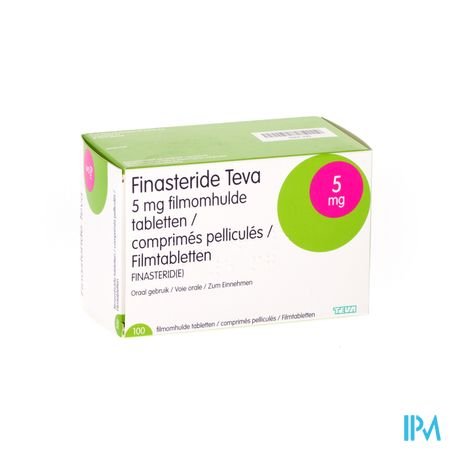
Finasteride 5mg by Teva Pharmaceuticals is an oral 5-alpha reductase inhibitor containing 5mg of Finasteride per tablet. At NexorinPharma, we carry Finasteride Teva 5mg as part of our ancillary and support compound inventory for customers in markets where Finasteride is legally available.
Finasteride is the active compound in this preparation. Unlike most compounds discussed in performance communities, it carries active FDA approval for specific clinical indications and has an extensively documented clinical research base spanning several decades. Teva Pharmaceuticals, one of the world’s largest generic pharmaceutical manufacturers, produces this as a genuine pharmaceutical grade medication.
Finasteride generates consistent discussion in bodybuilding and performance communities primarily in the context of androgenic side effect management. Its mechanism of action through 5-alpha reductase enzyme inhibition reduces the conversion of testosterone to Dihydrotestosterone, making it a consistently referenced ancillary compound for managing DHT-related androgenic side effects associated with anabolic steroid use. This mechanism consequently distinguishes it from most other ancillary compounds discussed in performance communities.
Like all medications affecting hormonal function, Finasteride Teva 5mg carries significant health and legal considerations. This page covers what Finasteride is, how it works, and what health and legal considerations apply. It does not constitute medical advice, recommend use outside of legitimate medical supervision, or provide dosage guidance of any kind.
Product Specifications
Website: nexorinpharma.com Product Name: Finasteride Teva 5mg Manufacturer: Teva Pharmaceuticals Active Compound: Finasteride Also Known As: Proscar, Propecia, Finasteride Drug Class: 5-alpha reductase inhibitor, type II 5-alpha reductase inhibitor Concentration: 5mg per tablet Presentation: Oral tablet Form: Film-coated tablet Half-Life: Approximately 5 to 6 hours Route of Administration: Oral Mechanism of Action: Selective inhibition of type II 5-alpha reductase enzyme, reducing testosterone conversion to Dihydrotestosterone FDA Approval: Yes. Approved for benign prostatic hyperplasia at 5mg and androgenetic alopecia at 1mg. Manufacturer Grade: Pharmaceutical grade. Full regulatory oversight and manufacturing documentation. Legal Status: Prescription only in the United States and most developed countries. Legal status varies by country.
About Teva Pharmaceuticals
Teva Pharmaceuticals is one of the largest generic pharmaceutical companies in the world, headquartered in Tel Aviv, Israel. The company operates across more than 60 countries and produces a comprehensive range of generic and specialty pharmaceutical products. Teva produces Finasteride as a generic pharmaceutical grade alternative to the original brand-name Proscar and Propecia products.
Unlike non-prescription anabolic steroid manufacturers, Teva Pharmaceuticals operates under full pharmaceutical regulatory oversight. Finasteride Teva is consequently produced under Good Manufacturing Practice standards with comprehensive batch testing, verified concentration accuracy, and full regulatory documentation. This manufacturing standard therefore distinguishes Finasteride Teva 5mg from non-prescription market versions of the same active compound and positions it as a genuine pharmaceutical grade preparation.
What Is Finasteride
Finasteride is a synthetic 4-azasteroid compound that selectively inhibits the type II isoform of the 5-alpha reductase enzyme. The 5-alpha reductase enzyme is responsible for converting testosterone to Dihydrotestosterone in specific tissues throughout the body. Two isoforms of this enzyme exist: type I and type II. Type II 5-alpha reductase is predominantly present in the prostate gland, seminal vesicles, epididymis, liver, and hair follicles. By selectively inhibiting type II 5-alpha reductase, Finasteride consequently reduces DHT production primarily in these tissues.
Merck developed Finasteride and introduced it to the US market under the brand name Proscar at 5mg for benign prostatic hyperplasia in 1992. Subsequently, a lower 1mg dose was approved and marketed under the brand name Propecia for androgenetic alopecia in 1997. Teva Pharmaceuticals produces Finasteride as a generic pharmaceutical grade preparation at the 5mg concentration corresponding to the Proscar indication.
How Finasteride Works
Finasteride works through selective competitive inhibition of the type II 5-alpha reductase enzyme. This enzyme catalyzes the conversion of testosterone to DHT in target tissues. By inhibiting this conversion, Finasteride reduces DHT levels in affected tissues while testosterone levels remain relatively unchanged or may increase modestly as the substrate accumulates.
Type II 5-Alpha Reductase Inhibition
Finasteride binds competitively to the type II 5-alpha reductase enzyme, forming a stable enzyme-inhibitor complex. This binding prevents testosterone from undergoing conversion to DHT in type II 5-alpha reductase-expressing tissues. As a result, DHT levels in the prostate, scalp, and other type II-expressing tissues fall significantly with Finasteride use. Clinical research consequently documents reductions in serum DHT of approximately 65 to 70 percent from baseline with standard once-daily dosing.
DHT Reduction Profile
The approximately 65 to 70 percent reduction in serum DHT produced by Finasteride is clinically significant across its approved indications. In the prostate, reduced DHT levels decrease the androgenic stimulus driving prostate tissue growth, producing meaningful reductions in prostate volume in men with benign prostatic hyperplasia. In scalp hair follicles, on the other hand, reduced DHT levels reduce the androgenic miniaturization of hair follicles associated with androgenetic alopecia progression. As a result, both clinical applications reflect the tissue-specific consequences of reducing DHT production through type II 5-alpha reductase inhibition.
Testosterone and Estrogen Effects
Finasteride reduces DHT production without directly blocking androgen receptors or reducing testosterone production. As a result, testosterone levels remain relatively unchanged or may increase modestly due to reduced conversion to DHT. This accumulation of testosterone substrate also drives modest increases in estrogen conversion through the aromatase pathway, as more testosterone becomes available for aromatization. These secondary hormonal effects are consequently relevant to Finasteride’s side effect profile and directly relevant to its discussion in performance communities.
Selectivity for Type II Isoform
Finasteride’s selectivity for type II 5-alpha reductase distinguishes it from dual 5-alpha reductase inhibitors like Dutasteride, which inhibit both type I and type II isoforms. Type I 5-alpha reductase is predominantly present in skin and sebaceous glands. Finasteride’s type II selectivity consequently produces less complete systemic DHT reduction than dual inhibitors but with a more targeted tissue-selective inhibition profile. This distinction is directly relevant to anyone comparing Finasteride against Dutasteride for androgenic side effect management.
Clinical Background
Finasteride carries a well-documented clinical history across multiple FDA-approved indications. This clinical background consequently distinguishes it from most compounds discussed in performance communities.
Benign Prostatic Hyperplasia
The FDA approved Finasteride 5mg for the treatment of symptomatic benign prostatic hyperplasia in men with an enlarged prostate. Large-scale clinical trials including the PLESS trial documented meaningful reductions in prostate volume, improvements in urinary flow rates, and reductions in the risk of acute urinary retention and surgery with Finasteride 5mg treatment. This clinical evidence base is consequently one of the most extensively documented of any compound discussed in men’s health contexts.
Androgenetic Alopecia
The FDA also approved Finasteride 1mg under the brand name Propecia for the treatment of male pattern hair loss. Clinical trials document consistent improvements in hair count, hair growth, and patient-reported assessments of hair appearance with Finasteride 1mg treatment compared to placebo. This approval at a lower dose than the BPH indication reflects the lower DHT reduction threshold required for hair follicle protection compared to prostate volume reduction.
Prostate Cancer Risk Reduction Research
In addition, the Prostate Cancer Prevention Trial documented that Finasteride 5mg reduced the overall prevalence of prostate cancer detection over a 7-year period compared to placebo. This research finding generated significant clinical discussion about Finasteride’s potential role in prostate cancer risk reduction, though this application has not received a specific FDA approval indication. The research context is nevertheless relevant for understanding the broader clinical investigation of Finasteride beyond its approved indications.
Why Finasteride Is Referenced in Performance Communities
Finasteride generates consistent discussion in bodybuilding and performance communities. Several specific characteristics drive that discussion.
DHT-Related Androgenic Side Effect Management
The most consistently referenced application of Finasteride in performance communities is management of DHT-related androgenic side effects associated with testosterone and anabolic steroid use. Testosterone-based anabolic steroid use increases testosterone substrate availability, which in turn increases DHT production through 5-alpha reductase conversion. This elevated DHT contributes to androgenic side effects including accelerated hair loss in genetically predisposed individuals and acne. Finasteride’s DHT reduction through 5-alpha reductase inhibition consequently addresses these DHT-mediated androgenic side effects directly.
Hair Loss Management Context
Androgenetic alopecia acceleration in genetically predisposed individuals is one of the most discussed androgenic side effects of testosterone and anabolic steroid use in performance communities. Finasteride’s documented efficacy in reducing DHT-mediated hair follicle miniaturization consequently makes it a consistently referenced compound in performance community discussions about hair loss management associated with androgenic compound use.
Pharmaceutical Grade Availability
Finasteride Teva 5mg is a genuine pharmaceutical grade product produced under full regulatory oversight. This distinguishes it from non-prescription market preparations and provides verified concentration accuracy and manufacturing quality documentation. As a result, the Teva pharmaceutical grade format carries a distinct and more trusted position in performance community discussions compared to non-prescription alternatives.
FDA-Approved Compound Status
Finasteride’s active FDA approval across two indications provides a stronger regulatory and clinical research foundation than most compounds discussed in performance communities. This clinical pedigree consequently contributes to its consistent discussion as one of the better-characterized ancillary compounds available for androgenic side effect management.
Finasteride Versus Other DHT Management Compounds
Versus Dutasteride
Dutasteride is a dual 5-alpha reductase inhibitor that inhibits both type I and type II isoforms. It consequently produces more complete systemic DHT reduction than Finasteride’s type II selective inhibition, with clinical research documenting DHT reductions of approximately 90 to 95 percent from baseline compared to Finasteride’s approximately 65 to 70 percent. This greater DHT reduction produces more complete androgenic side effect management. However, Dutasteride’s broader inhibition of both isoforms also produces a more extensive hormonal disruption profile and carries a significantly longer half-life of approximately 5 weeks compared to Finasteride’s 5 to 6 hours.
Versus Minoxidil
Minoxidil is a vasodilatory compound used topically for androgenetic alopecia management. Unlike Finasteride, Minoxidil does not work through 5-alpha reductase inhibition or DHT reduction. Rather, it promotes hair growth through vasodilatory and potassium channel-opening mechanisms in hair follicles. Finasteride and Minoxidil consequently work through entirely different mechanisms and represent pharmacologically distinct approaches to androgenetic alopecia management that are frequently discussed in combination in clinical hair loss treatment contexts.
Versus Saw Palmetto
Saw Palmetto is a natural supplement derived from the Serenoa repens plant that carries some evidence of mild 5-alpha reductase inhibiting activity. However, its DHT reduction effect is significantly less pronounced and less consistently documented than Finasteride’s well-characterized type II 5-alpha reductase inhibition. Finasteride consequently carries a substantially stronger clinical evidence base for DHT reduction than Saw Palmetto-based alternatives, making it the more pharmacologically defined option for DHT management.
Versus Aromatase Inhibitors
Aromatase inhibitors like Anastrozole manage estrogenic side effects from aromatizing compounds through estrogen production reduction rather than DHT management. Finasteride, on the other hand, manages DHT-related androgenic side effects through 5-alpha reductase inhibition. These are pharmacologically distinct approaches to managing different categories of steroid-related side effects. As a result, Finasteride addresses androgenic DHT-mediated effects while aromatase inhibitors address estrogenic effects, making them complementary rather than interchangeable ancillary compounds in performance community discussions.
Side Effects and Health Risks
Finasteride Teva 5mg carries a well-documented side effect profile based on extensive clinical trial data across its approved indications.
Sexual Side Effects
Sexual side effects are the most discussed health considerations associated with Finasteride use. These include decreased libido, erectile dysfunction, and reduced ejaculatory volume. These effects are documented in clinical trials across both the 5mg BPH indication and the 1mg alopecia indication. In clinical trials, sexual side effects occurred in a minority of users and resolved with discontinuation in most cases. However, post-marketing surveillance has identified a subset of users reporting persistent sexual side effects following discontinuation, a phenomenon discussed in the medical literature under the term Post-Finasteride Syndrome. This post-discontinuation persistence of sexual side effects is consequently a primary health consideration for anyone researching Finasteride.
Hormonal Effects
Finasteride’s reduction of DHT and modest elevation of testosterone and estrogen levels produces hormonal changes relevant to anyone using the compound. In the context of anabolic steroid use, furthermore, Finasteride’s hormonal effects interact with the complex hormonal environment produced by exogenous androgens. Hormonal monitoring is consequently a relevant health consideration for anyone using Finasteride alongside anabolic steroid compounds.
Gynecomastia
Gynecomastia is documented as a side effect in clinical trials for Finasteride. The mechanism relates to the modest increase in estrogen conversion as more testosterone substrate becomes available following reduced DHT conversion. As a result, gynecomastia is a relevant side effect consideration for anyone using Finasteride, particularly in the context of concurrent anabolic steroid use where estrogenic activity is already a primary health consideration.
Mood and Psychological Effects
Depression and mood changes are documented in post-marketing surveillance for Finasteride. The relationship between DHT reduction and mood is an area of ongoing research interest given DHT’s role as a neurosteroid with documented effects on mood and cognitive function. These psychological considerations are therefore relevant to anyone using Finasteride for any application and should not be minimized in any responsible discussion of this compound.
Prostate-Specific Antigen Effects
Finasteride reduces prostate-specific antigen levels by approximately 50 percent. This PSA reduction is consequently a clinically relevant consideration for anyone undergoing prostate cancer screening while using Finasteride, as standard PSA interpretation requires adjustment for Finasteride use to avoid masking potential prostate cancer detection signals.
Legal and Regulatory Status
Finasteride carries active FDA approval for benign prostatic hyperplasia at 5mg and androgenetic alopecia at 1mg. Outside of these approved indications, however, it is a prescription-only medication in the United States and most developed countries. Obtaining Finasteride without a valid prescription is consequently a legal offense in many jurisdictions.
In the United Kingdom, Finasteride is a prescription-only medication under the Medicines Act. It does not carry controlled substance scheduling in most jurisdictions in the same category as anabolic steroids. However, it remains prescription-only in most developed countries regardless.
The World Anti-Doping Agency banned Finasteride in competitive sports as a masking agent from 2005 to 2009, citing its potential to mask the presence of androgenic compounds in doping tests through DHT reduction. WADA subsequently removed Finasteride from its prohibited list in 2009 following a reassessment of its masking agent potential. As of available data, Finasteride is not on the current WADA prohibited substance list. You are therefore responsible for confirming the current anti-doping status in your specific sporting context.
You are responsible for confirming the legal status of Finasteride in your specific jurisdiction before purchasing from NexorinPharma.
Frequently Asked Questions
Is Finasteride Teva 5mg Available at NexorinPharma
Yes. NexorinPharma carries Finasteride Teva 5mg for customers in markets where Finasteride is legally available. Visit nexorinpharma.com to check current availability and pricing.
What Is the Half-Life of Finasteride
Finasteride produces a half-life of approximately 5 to 6 hours. Despite this relatively short half-life, its effects on DHT reduction persist significantly longer due to the stability of the enzyme-inhibitor complex it forms with type II 5-alpha reductase. As a result, once-daily dosing is sufficient to maintain meaningful DHT reduction throughout the day.
How Does Finasteride Teva Differ From Brand-Name Proscar
Both preparations contain Finasteride at 5mg per tablet. Brand-name Proscar is produced by Merck under the original brand registration while Finasteride Teva is a generic pharmaceutical grade preparation produced by Teva Pharmaceuticals under full GMP manufacturing standards. Both are pharmaceutical grade products carrying full regulatory oversight and manufacturing documentation. The active compound and concentration are consequently identical between both preparations.
Does Finasteride Affect Testosterone Levels
Finasteride does not directly reduce testosterone production. Rather, it reduces the conversion of testosterone to DHT, which may result in modest testosterone accumulation and secondary increases in estrogen conversion through the aromatase pathway. These secondary hormonal effects are therefore relevant to Finasteride’s side effect profile and require monitoring through regular blood work.
What Are the Most Serious Health Risks
Sexual side effects including decreased libido, erectile dysfunction, and the potential for persistent post-discontinuation sexual effects discussed under Post-Finasteride Syndrome are the most clinically significant health considerations. In addition, gynecomastia, mood changes, and PSA level reduction affecting prostate cancer screening interpretation complete the primary health consideration profile. Medical supervision is therefore essential for anyone using Finasteride.
Is Finasteride Teva 5mg Legal to Purchase
Finasteride is a prescription-only medication in the United States and most developed countries despite carrying active FDA approval. Legal status varies by jurisdiction. You are consequently responsible for confirming the legal status in your jurisdiction before purchasing from NexorinPharma.
What to Consider Before Purchasing Finasteride Teva 5mg
Finasteride has one of the most extensive clinical research bases of any compound discussed in men’s health and performance communities. Its active FDA approval across two indications, decades of clinical use, and large-scale clinical trial documentation provide a substantial body of safety and pharmacology research. That research base applies to the pharmacological and risk profile of the active compound regardless of the specific format used.
Finasteride Teva 5mg is a pharmaceutical grade product produced under full GMP manufacturing oversight by one of the world’s largest generic pharmaceutical manufacturers. This consequently distinguishes it from non-prescription preparations of the same compound and provides verified concentration accuracy and manufacturing quality documentation that non-prescription formats do not carry.
Finasteride carries documented sexual, hormonal, psychological, and gynecomastia-related health risks. The potential for persistent post-discontinuation sexual side effects in a subset of users is a particularly important consideration that extends beyond the standard treatment period risk profile. Medical supervision and regular hormonal monitoring are therefore essential for anyone using this compound. Consulting a licensed medical professional is consequently the appropriate starting point for anyone with health concerns related to 5-alpha reductase inhibitor use.
For customers in markets where Finasteride is legally available, visit nexorinpharma.com to check current Finasteride Teva 5mg availability, pricing, and stock levels.
Be the first to review “finasteride teva 5 mg”
Related products
our products
our products
our products

our products
our products
our products
our products
Reviews
There are no reviews yet.