
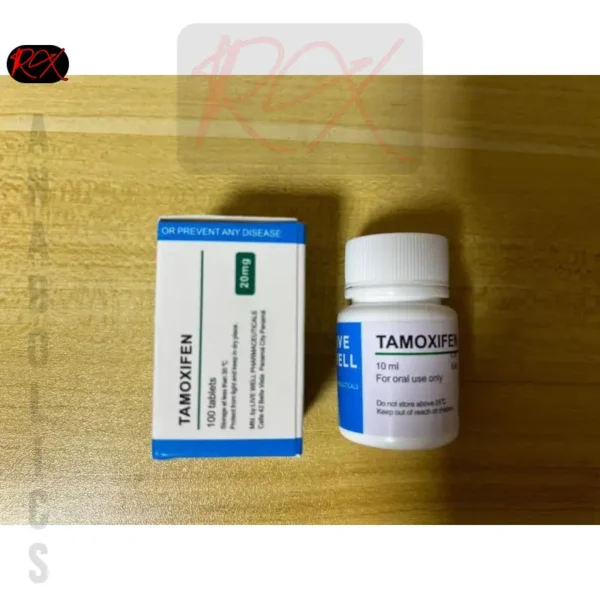
Tamoxifen 10mg: Medical Education and Hormonal Health Awareness
Some medications serve very different purposes in different settings. Tamoxifen is one of them. In cancer clinics, it saves lives. Doctors prescribe it daily for breast cancer treatment. In fitness conversations, the same drug appears as a topic for hormonal recovery.
This article explains Tamoxifen from an educational standpoint. You will learn what the drug does, how it works inside the body, its approved medical uses, and why it comes up in fitness discussions.
NexorinPharma is a health education platform. We do not sell prescription medications. Our purpose is clear, responsible education about pharmaceutical compounds.
What Tamoxifen Citrate 10mg Is
Tamoxifen is a prescription medication belonging to a drug class called selective estrogen receptor modulators, or SERMs. It comes as oral tablets in several strengths, with the 10mg tablet being a standard low strength option and the 20mg tablet also being common.
The original brand name is Nolvadex. Tamoxifen citrate is the generic name. Both contain the same active ingredient, with the citrate component being a salt form that helps with absorption.
The FDA approved Tamoxifen in 1977, and it became a standard treatment for breast cancer. The drug works by blocking estrogen effects in breast tissue, a property that is useful in oncology and also explains why it appears in other health discussions.
Tamoxifen is not a hormone. It is a modulator that blocks estrogen in some tissues and mimics it in others, depending on where in the body the receptors are located.
How Tamoxifen Works in the Body
The mechanism is selective. Tamoxifen binds to estrogen receptors, but the effect depends entirely on where those receptors are located.
In breast tissue, Tamoxifen blocks estrogen. Because estrogen can feed certain breast cancers, occupying the receptor without activating it stops that growth signal. This is why the drug treats estrogen receptor positive breast cancer effectively.
In bone tissue, Tamoxifen acts like estrogen and helps maintain bone density. This is particularly beneficial for postmenopausal women on the drug.
In the liver, Tamoxifen can have mixed effects and may lower cholesterol in some patients, which is considered a positive side effect.
In the pituitary gland, Tamoxifen blocks estrogen receptors, stimulating the release of luteinizing hormone (LH) and follicle stimulating hormone (FSH). Higher LH then signals the testes to produce more testosterone. This particular effect is what drives the fitness community interest in the drug.
Common Medical Applications of Tamoxifen
Tamoxifen has several approved medical uses. All require a prescription and physician supervision. None of these uses involve bodybuilding or fitness.
Breast cancer treatment is the primary use. Tamoxifen treats estrogen receptor positive breast cancer in both premenopausal and postmenopausal women, and doctors often prescribe it after surgery to reduce recurrence risk. The typical treatment duration is five to ten years.
Breast cancer prevention is another application. Women at high risk due to strong family history or certain genetic markers like BRCA mutations may take Tamoxifen as a preventive measure.
Ovulation induction is used in some fertility protocols where Tamoxifen stimulates ovulation in women with ovulation disorders, working similarly to clomiphene in this context.
Gynecomastia treatment is a more limited use case where doctors prescribe Tamoxifen for painful or persistent gynecomastia in men in some circumstances. This is an off label use in many countries and is not the first line treatment.
All of these are prescription applications. A doctor must determine whether Tamoxifen is appropriate for your specific situation.
Why Nolvadex Is Discussed in Fitness and Hormonal Recovery Communities
Fitness discussions about Nolvadex focus on hormonal recovery after anabolic steroid use. This section provides educational context only. No endorsement or encouragement is implied.
When someone uses anabolic steroids, natural testosterone production shuts down. Exogenous androgens signal the HPG axis to stop producing LH and FSH, and without these signals the testes do not produce testosterone. This condition is called suppression or hypogonadism.
After stopping steroids, the HPG axis needs time to restart. This recovery period is called post-cycle therapy in fitness communities.
Nolvadex 10mg tablets and the 20mg strength appear in these conversations because Tamoxifen blocks estrogen receptors in the pituitary gland, increasing LH and FSH production. Higher LH then signals the testes to produce more testosterone, with the theoretical goal of faster restoration of natural testosterone levels.
One critical point must be emphasized. This use is not FDA approved. No clinical trials support Tamoxifen for this purpose in healthy men. Fitness communities discuss it based on pharmacological theory and anecdotal reports, not clinical evidence.
Understanding Oral Tamoxifen Medication Terminology
Tamoxifen citrate 10mg refers to the salt form of the drug. The citrate component helps with absorption and stability. When someone says Tamoxifen 10mg, they mean 10mg of Tamoxifen citrate in tablet form.
Nolvadex oral tablets mean the same thing. Nolvadex is the original brand name, while generic Tamoxifen tablets contain the same active ingredient. The only differences are the inactive filler ingredients and the price.
The 10mg strength is a standard low dose. Medical prescriptions for breast cancer typically use 20mg daily, while the 10mg tablets may be used for dose adjustments or specific protocols.
Tamoxifen oral medication is taken by mouth and absorbed through the digestive system. Food does not significantly affect absorption. The drug has a long half life of approximately five to seven days, meaning it stays in your system for several weeks after the last dose.
Potential Side Effects and Health Considerations
Tamoxifen carries side effects. Some are common and manageable. Others are serious and require medical attention. All patients on the drug require monitoring throughout their treatment.
Common side effects affect many users. Hot flashes occur in up to 80 percent of women taking Tamoxifen. Night sweats, vaginal discharge or dryness, nausea, fatigue, and mood changes are also common. These effects are usually mild to moderate, and many users learn to manage them over time.
Serious side effects require prompt medical evaluation. Endometrial cancer risk increases with long term Tamoxifen use. The risk is low but real, with an annual risk of approximately 1 in 500 for women on the drug. Any unusual vaginal bleeding needs immediate investigation.
Blood clots are another serious concern. Deep vein thrombosis and pulmonary embolism occur in a small percentage of users, with risk being higher in women who already have clotting risk factors or a history of blood clots. Symptoms include leg swelling, leg pain, chest pain, and sudden shortness of breath.
Liver problems have also been reported, including elevated liver enzymes and fatty liver changes. Most changes are reversible upon discontinuation, but regular blood work throughout treatment is still essential.
Vision changes including cataracts and corneal changes have been documented in long term users. Regular eye exams are recommended, as some changes are reversible while others are not.
Stroke risk increases slightly, which is more relevant for older patients with existing cardiovascular risk factors like high blood pressure or smoking history.
All of these risks exist even in medical settings with active monitoring. Self-administration removes this oversight entirely.
Drug Interactions and Safety Precautions
Tamoxifen interacts with several common medications in ways that can reduce effectiveness or increase risk.
Blood thinners like warfarin. Tamoxifen increases the blood thinning effect, raising bleeding risk and requiring close monitoring if both drugs are used simultaneously.
Certain antidepressants. Fluoxetine and paroxetine reduce Tamoxifen effectiveness by inhibiting the CYP2D6 enzyme, which converts Tamoxifen to its active form. Reduced conversion means less active drug reaching the target tissue. Other antidepressants like venlafaxine have less interaction with this pathway.
Aromatase inhibitors. Using Tamoxifen with anastrozole or letrozole is not recommended for breast cancer treatment, as clinical trials show no benefit to combining them.
Estrogen containing medications. Birth control pills and hormone replacement therapy may reduce Tamoxifen effectiveness, so alternative contraceptive methods are recommended for women on the drug.
CYP2D6 genetic variation is also worth noting. Some people naturally have reduced CYP2D6 enzyme activity, meaning Tamoxifen may be less effective in these individuals. Genetic testing is available to identify this before starting treatment.
Always provide your doctor with a complete medication list, including over the counter drugs and supplements. St. John’s wort, for example, reduces Tamoxifen blood levels, and some supplements also affect estrogen pathways in ways that can interfere with the drug.
Importance of Medical Supervision and Bloodwork
Tamoxifen requires a prescription for good reason. The drug affects hormones across the entire body, carries serious risks, and a doctor must determine whether benefits outweigh those risks for your specific situation.
Medical supervision begins with baseline blood work. Liver function tests establish a starting point, and follow up tests monitor for changes throughout treatment. For breast cancer patients, regular gynecological exams monitor for endometrial changes, and any unusual symptoms get investigated promptly.
For the off label use discussions in fitness communities, the same level of supervision should apply. Blood work would monitor liver function and hormone levels, while regular check ups would track side effects before they become serious. A physician would also determine whether any intervention is actually needed, since many cases of post-steroid suppression resolve on their own without medication.
Self-medication without medical oversight is dangerous. Side effects go unmonitored, drug interactions go unidentified, and serious complications can develop silently. Blood clots do not always announce themselves with clear warning signs, and endometrial changes require examination to detect.
Myths vs Facts About Nolvadex Oral Tablets
Several myths surround Nolvadex oral tablets in fitness culture. Here are the facts.
Myth: Nolvadex is a testosterone booster. Fact: Tamoxifen does not boost testosterone directly. It blocks estrogen receptors in the pituitary, which increases LH and FSH, which then signals the testes to produce more testosterone. The effect is indirect and only occurs when natural production is already suppressed.
Myth: You can take Tamoxifen without side effects. Fact: Side effects occur even at standard 10mg and 20mg doses. Hot flashes, nausea, and mood changes are common. Blood clot and liver risks exist even in otherwise healthy users.
Myth: Tamoxifen is safe for anyone to use. Fact: Tamoxifen carries serious risks including blood clots and endometrial cancer. It requires medical oversight and is not appropriate for everyone.
Myth: Higher doses work better for hormonal recovery. Fact: No evidence supports doses higher than the standard. The 10mg and 20mg strengths are the standard references, and more is not better. Higher doses only increase risk without proven benefit.
Myth: You do not need blood work when using Tamoxifen. Fact: Blood work monitors liver function and hormone levels throughout use. Without it, liver damage can go undetected until it becomes serious.
Lifestyle Factors That Influence Hormonal Health
Hormonal health involves more than medication. Lifestyle factors support natural hormone production regardless of any drug use, and they carry none of the associated risks.
Sleep is foundational. Testosterone production peaks during deep sleep, and seven to nine hours per night supports hormonal recovery. Chronic sleep deprivation lowers testosterone even in otherwise healthy men, making this one of the most impactful factors to address.
Nutrition matters significantly. Adequate fat intake supports hormone production because cholesterol is a direct precursor for testosterone. Very low fat diets impair hormone synthesis over time. Aiming for 20 to 30 percent of calories from fat, with sources like eggs, olive oil, nuts, and fatty fish, provides a solid foundation.
Stress management directly influences cortisol levels. High cortisol suppresses testosterone, and chronic stress keeps it elevated for extended periods. Stress reduction techniques like walking, meditation, or breathing exercises help lower cortisol and restore hormonal balance.
Training volume affects recovery as well. Excessive training without adequate rest delays hormonal normalization. Reducing volume and intensity during active recovery periods allows the body to restore balance more efficiently.
Alcohol consumption impairs hormone production in multiple ways. Heavy drinking suppresses testosterone, delays recovery, and disrupts sleep quality, which indirectly impacts hormones further. Limiting or avoiding alcohol during recovery periods is strongly advisable.
Body fat percentage is another relevant factor. Excess body fat increases aromatase activity, which converts testosterone to estrogen. Higher body fat therefore means lower testosterone relative to estrogen, making body composition an important part of the overall hormonal picture.
Frequently Asked Questions
1. Is Tamoxifen the Same as Nolvadex?
Yes. Nolvadex is the original brand name for Tamoxifen. Generic Tamoxifen citrate tablets contain the same active ingredient as brand Nolvadex.
2. What Is the Difference Between Tamoxifen 10mg and 20mg?
Only the strength differs. The 10mg tablet is a lower dose used for certain adjustments and specific protocols. The 20mg tablet is the standard dose for breast cancer treatment.
3. Can a Doctor Prescribe Nolvadex 10mg Tablets for Men?
Yes, for specific medical conditions including certain breast cancers in men and painful gynecomastia. Off label use for hormonal recovery after steroids is not standard medical practice.
4. How Long Does Tamoxifen Stay in Your System?
The drug has a long half life of approximately five to seven days. It takes about four to five weeks for the drug to fully clear after the last dose, and steady state levels take approximately four weeks to reach during regular use.
5. What Are Early Signs of Blood Clots From Tamoxifen?
Early signs include leg swelling, leg pain or tenderness, chest pain, sudden shortness of breath, and coughing up blood. Seek immediate medical attention if any of these occur, as blood clots are medical emergencies.
6. Does Tamoxifen Affect Fertility?
Tamoxifen affects fertility differently in men and women. In women it can induce ovulation, which is a recognized medical use for certain types of infertility. In men it may improve sperm parameters by increasing testosterone. Both effects are temporary and reverse after stopping the drug.
7. Where Can I Find Reliable Tamoxifen Information?
Peer-reviewed medical journals are the most reliable source. Resources include PubMed, the National Institutes of Health, and clinical pharmacology references like UpToDate. NexorinPharma provides educational summaries, but always verify with primary sources.
Conclusion
Tamoxifen is a prescription medication with legitimate, life-saving medical uses. It treats breast cancer effectively, prevents cancer in high risk women, and has specific applications in fertility and gynecomastia management.
The drug works by selectively blocking estrogen receptors, a mechanism that explains both its medical uses and its appearance in fitness discussions about post-cycle therapy.
Tamoxifen carries serious risks. Blood clots, endometrial cancer, and liver problems are all documented. Side effects like hot flashes and nausea are common. Medical supervision and regular blood work are essential for anyone taking this drug.
Fitness discussions about Nolvadex oral tablets are based on pharmacological theory and anecdotal reports. Clinical studies do not support this use in healthy men, and self-medication without medical oversight removes important safeguards. The risks remain real regardless of the context in which the drug is used.
This article provides educational information only. NexorinPharma is a health education platform. We do not sell or source Tamoxifen or any prescription medication.
If you have questions about Tamoxifen or hormonal health, speak with a physician. Lifestyle factors like sleep, nutrition, stress management, body fat levels, and training volume all support natural hormonal function. Prioritize evidence-based approaches. Your long term health depends on informed decisions and professional medical guidance.
Be the first to review “Tamoxifen( Nolvadex)10mg”
Related products
Tablets
Tablets

Tablets
Tablets
Tablets
Reviews
There are no reviews yet.