Clenbuterol 40mcg Yohimbine 5.5mg Injection Beligas Pharma | NexorinPharma
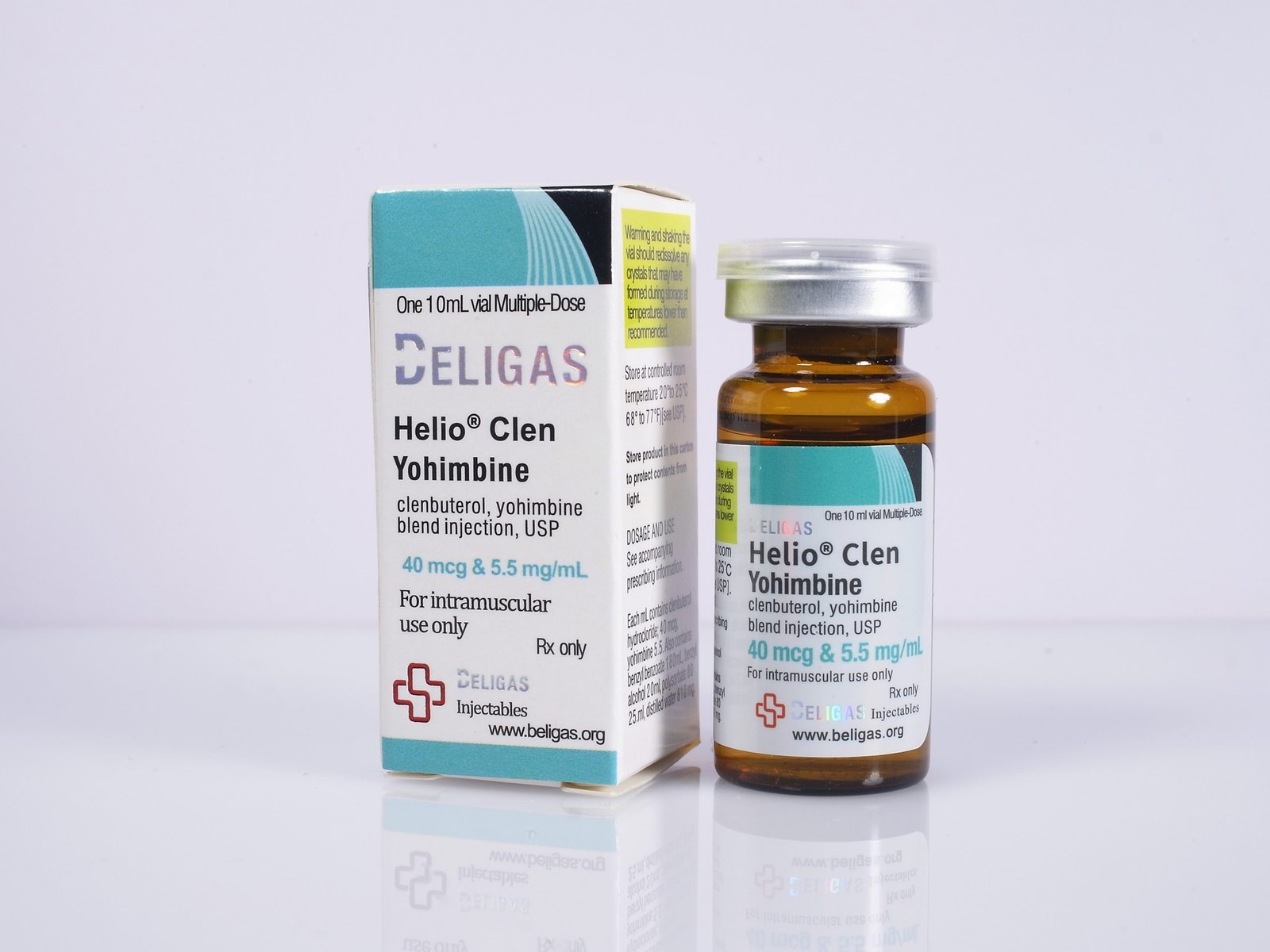
Clenbuterol 40mcg Yohimbine 5.5mg by Beligas Pharma International is an injectable preparation combining two distinct pharmacological agents in a single vial. At NexorinPharma, we carry this preparation as part of our research compound and ancillary inventory for customers in markets where these compounds are legally available.
This preparation combines Clenbuterol Hydrochloride, a beta-2 adrenergic agonist with thermogenic and lipolytic properties, with Yohimbine Hydrochloride, an alpha-2 adrenergic receptor antagonist with complementary lipolytic and sympathomimetic properties. The combination of these two compounds with distinct but complementary mechanisms of action in a single injectable preparation is the primary pharmacological characteristic that distinguishes this product from single-agent preparations of either compound.
Like all compounds affecting cardiovascular and metabolic function, this preparation carries significant health and legal considerations. This page covers what Clenbuterol and Yohimbine are, how they work individually and in combination, and what health and legal considerations apply. It does not constitute medical advice. It does not recommend or encourage use outside of legitimate medical supervision. It does not provide dosage guidance of any kind.
Product Specifications
Website: nexorinpharma.com Product Name: Clenbuterol 40mcg Yohimbine 5.5mg Injection Manufacturer: Beligas Pharma International Active Compounds: Clenbuterol Hydrochloride 40mcg, Yohimbine Hydrochloride 5.5mg Drug Class: Beta-2 adrenergic agonist combined with alpha-2 adrenergic receptor antagonist Presentation: Injectable solution Form: Aqueous injectable solution Clenbuterol Half-Life: Approximately 35 to 40 hours Yohimbine Half-Life: Approximately 36 minutes to 2 hours Route of Administration: Subcutaneous or intramuscular injection Mechanism of Action: Clenbuterol produces beta-2 adrenergic receptor agonism. Yohimbine produces alpha-2 adrenergic receptor antagonism. Together they produce complementary adrenergic pathway modulation driving thermogenesis and lipolysis. Legal Status: Legal status varies significantly by country for both compounds. Neither compound holds FDA approval for human use in the United States as injectable preparations.
About Beligas Pharma International
Beligas Pharma International is a non-prescription pharmaceutical manufacturer producing a range of oral and injectable products for markets where such compounds are legally available. The brand carries a presence in international performance and men’s health communities and produces its product range with pharmaceutical-style presentation and clear compound labeling.
Like all manufacturers operating outside regulated pharmaceutical channels, Beligas Pharma International does not carry the manufacturing oversight, regulatory scrutiny, or clinical trial documentation of pharmaceutical grade prescription products. Consequently, quality, purity, and concentration accuracy are less verifiable than with regulated products. Within the non-prescription market, however, Beligas Pharma International is consistently referenced for product consistency and presentation clarity.
What Is Clenbuterol
Clenbuterol is a synthetic sympathomimetic amine belonging to the beta-2 adrenergic agonist drug class. Pharmaceutical researchers originally developed it as a bronchodilator for the management of obstructive airway conditions including asthma and chronic obstructive pulmonary disease. Its primary bronchodilatory mechanism operates through selective activation of beta-2 adrenergic receptors in bronchial smooth muscle tissue.
Beyond its bronchodilatory applications, Clenbuterol produces significant thermogenic and lipolytic effects through beta-2 adrenergic receptor activation in metabolic and adipose tissues. These metabolic effects are distinct from its primary bronchodilatory mechanism and are directly relevant to its discussion in bodybuilding and performance communities.
The injectable format of Clenbuterol in this preparation differs from the more commonly discussed oral tablet format. Injectable Clenbuterol bypasses first-pass liver metabolism, potentially producing more direct systemic availability compared to oral administration. This pharmacokinetic distinction is relevant context for anyone researching this specific preparation compared to oral Clenbuterol formats.
What Is Yohimbine
Yohimbine is a naturally occurring alkaloid derived from the bark of the Pausinystalia yohimbe tree, native to West Africa. It is classified as an alpha-2 adrenergic receptor antagonist. This mechanism of action is pharmacologically distinct from Clenbuterol’s beta-2 adrenergic receptor agonism and produces complementary rather than overlapping effects on adrenergic signaling pathways.
Alpha-2 adrenergic receptors are present in adipose tissue and function as inhibitory receptors that suppress lipolysis when activated by endogenous catecholamines. By blocking these alpha-2 receptors, Yohimbine removes this inhibitory signal, allowing greater lipolytic activity in adipose tissue. This mechanism is particularly relevant in adipose tissue regions with high alpha-2 receptor density, which are commonly associated with stubborn fat deposits.
Yohimbine Hydrochloride is the salt form used in pharmaceutical and non-prescription preparations. The hydrochloride salt improves its stability and bioavailability compared to the free base alkaloid form.
How the Combination Works
The combination of Clenbuterol and Yohimbine in a single preparation targets two distinct adrenergic receptor pathways simultaneously. This dual mechanism approach produces complementary effects on lipolysis and metabolic rate that neither compound produces alone.
Clenbuterol Beta-2 Adrenergic Receptor Agonism
Clenbuterol binds selectively to beta-2 adrenergic receptors throughout the body. This binding activates intracellular signaling cascades through cyclic adenosine monophosphate elevation. The downstream effects include smooth muscle relaxation in bronchial tissue, increased metabolic rate through thermogenesis in metabolic tissues, and stimulation of hormone-sensitive lipase in adipose tissue driving lipolysis. As a result, beta-2 adrenergic receptor agonism is the primary mechanism through which Clenbuterol produces its pharmacological effects in this combination preparation.
Yohimbine Alpha-2 Adrenergic Receptor Antagonism
Yohimbine blocks alpha-2 adrenergic receptors in adipose tissue and other tissues. Alpha-2 receptor activation normally suppresses lipolysis by inhibiting adenylate cyclase and reducing cyclic AMP levels in fat cells. By blocking these receptors, Yohimbine removes this inhibitory brake on lipolysis. As a result, endogenous catecholamines and exogenous adrenergic agonists like Clenbuterol produce greater lipolytic effects in adipose tissue than they would with alpha-2 receptors active and uninhibited.
Complementary Mechanism Interaction
The combination of Clenbuterol’s beta-2 receptor agonism and Yohimbine’s alpha-2 receptor antagonism targets the adrenergic lipolysis pathway from two complementary directions simultaneously. Clenbuterol activates the stimulatory beta-2 receptor pathway driving lipolysis. Yohimbine simultaneously removes the inhibitory alpha-2 receptor brake on that same lipolytic process. Together, these two mechanisms theoretically produce greater net lipolytic activity than either compound produces through its individual mechanism alone. This complementary interaction is the primary rationale for combining these two compounds in a single preparation.
Thermogenic Effects
Clenbuterol’s beta-2 adrenergic receptor activation in metabolic tissues increases cellular metabolic rate through elevated cyclic AMP signaling, producing thermogenesis. Yohimbine also contributes to thermogenic effects through its alpha-2 receptor antagonism and its central nervous system sympathomimetic activity. Consequently, both compounds contribute to thermogenic metabolic rate elevation through distinct but complementary mechanisms.
Central Nervous System Effects
Both Clenbuterol and Yohimbine produce central nervous system stimulatory effects through their respective adrenergic mechanisms. Yohimbine’s alpha-2 receptor antagonism in the central nervous system increases norepinephrine release, producing stimulatory effects including increased alertness, arousal, and anxiety in some individuals. These central nervous system effects are directly relevant to the side effect profile of this combination preparation and are more pronounced than with Clenbuterol alone.
Injectable Format Considerations
The injectable format of this preparation introduces pharmacokinetic and practical considerations that differ from oral Clenbuterol and Yohimbine preparations.
Bioavailability Differences
Injectable administration bypasses first-pass liver metabolism for both compounds. This produces more direct systemic availability compared to oral administration formats. As a result, the injectable format may produce more pronounced and faster-onset pharmacological effects than equivalent oral doses of either compound.
Yohimbine Pharmacokinetics in Injectable Format
Yohimbine’s short half-life of approximately 36 minutes to 2 hours means its active plasma concentrations decline relatively quickly following injection. This short duration distinguishes Yohimbine’s pharmacokinetic profile from Clenbuterol’s significantly longer half-life of approximately 35 to 40 hours within the same preparation. Consequently, the duration of each compound’s activity following a single injection differs substantially within this combination preparation.
Injection Site Considerations
As an injectable preparation, this product carries injection site reaction risks including pain, swelling, and in rare cases infection. Proper injection technique and sterile practices are therefore essential for anyone using this preparation. Subcutaneous injection is a commonly referenced route for fat loss injectable preparations in performance communities.
Why This Combination Is Referenced in Performance Communities
The Clenbuterol and Yohimbine combination generates consistent discussion in bodybuilding and performance communities. Several specific characteristics drive that discussion.
Dual Adrenergic Pathway Targeting
The simultaneous targeting of beta-2 adrenergic receptor agonism and alpha-2 adrenergic receptor antagonism represents a pharmacologically distinct approach to adrenergic lipolysis pathway modulation. This dual mechanism approach is the primary pharmacological rationale discussed in performance communities for combining these two compounds rather than using either alone.
Targeted Lipolytic Application
Yohimbine’s particular relevance to adipose tissue regions with high alpha-2 receptor density drives discussion in performance communities about its application in the context of stubborn fat deposits. The combination with Clenbuterol’s broader thermogenic and lipolytic effects produces a preparation discussed in performance communities for its targeted lipolytic application.
Injectable Format Advantages
The injectable format’s bypass of first-pass liver metabolism and potentially more direct systemic bioavailability drives discussion in performance communities as a practical distinction from oral administration formats of the same compounds. This pharmacokinetic consideration is directly relevant to anyone researching this specific preparation compared to oral Clenbuterol and Yohimbine alternatives.
Clenbuterol Yohimbine Injectable Versus Other Metabolic Preparations
Versus Oral Clenbuterol Preparations
Oral Clenbuterol preparations including Clenbutrex Ultra 60mcg undergo first-pass liver metabolism before reaching systemic circulation. The injectable format of this preparation bypasses that metabolic step. As a result, the injectable format may produce more direct systemic Clenbuterol activity than equivalent oral doses. Furthermore, the addition of Yohimbine in the injectable preparation provides complementary alpha-2 receptor antagonism that oral Clenbuterol alone does not provide.
Versus Oral Yohimbine Preparations
Oral Yohimbine preparations undergo first-pass metabolism and are subject to significant individual variability in absorption and bioavailability. The injectable format of this preparation delivers Yohimbine more directly into systemic circulation. However, Yohimbine’s very short half-life of approximately 36 minutes to 2 hours means its active duration following either oral or injectable administration is relatively brief compared to Clenbuterol’s extended half-life within the same preparation.
Versus Single-Agent Clenbuterol Preparations
Single-agent Clenbuterol preparations produce beta-2 adrenergic receptor-mediated thermogenesis and lipolysis without the complementary alpha-2 receptor antagonism provided by Yohimbine. The addition of Yohimbine in this preparation theoretically enhances net lipolytic activity by simultaneously removing the alpha-2 receptor inhibitory brake on lipolysis. As a result, the combination preparation is pharmacologically distinct from single-agent Clenbuterol through its dual adrenergic pathway targeting.
Versus GLP-1 Receptor Agonists
GLP-1 receptor agonists produce weight reduction primarily through appetite suppression and gastric emptying delay through an entirely different receptor pathway. The Clenbuterol and Yohimbine combination, on the other hand, targets adrenergic lipolysis pathways directly. These are fundamentally different pharmacological approaches to body composition management operating through distinct receptor systems.
Side Effects and Health Risks
This preparation carries a significant side effect profile driven by the combined pharmacological activity of both Clenbuterol and Yohimbine. The combination of two sympathomimetic compounds with distinct adrenergic mechanisms produces a more complex and potentially more pronounced side effect profile than either compound alone.
Cardiovascular Effects
Cardiovascular side effects represent the most serious health considerations with this combination preparation. Clenbuterol’s beta-2 adrenergic receptor activation produces increased heart rate, palpitations, and arrhythmia risk. Yohimbine’s alpha-2 receptor antagonism increases norepinephrine release, further elevating heart rate and blood pressure. The combination of these two adrenergic mechanisms consequently produces additive cardiovascular stimulation that is more pronounced than either compound produces individually. Anyone with pre-existing cardiovascular conditions should not use this preparation without direct physician supervision.
Anxiety and Nervousness
Yohimbine’s central nervous system alpha-2 receptor antagonism increases norepinephrine release, producing anxiety, nervousness, and agitation in many users. These effects are more pronounced with injectable administration than with oral formats due to faster onset and more direct systemic delivery. Clenbuterol’s sympathomimetic activity further contributes to these central nervous system stimulatory effects. As a result, anxiety and nervousness are among the most commonly reported effects with Yohimbine-containing preparations.
Tremors
Clenbuterol’s beta-2 adrenergic receptor activation in skeletal muscle tissue produces fine tremors, particularly in the hands. These effects are dose-dependent and represent one of the most commonly reported side effects of Clenbuterol use. The addition of Yohimbine’s sympathomimetic activity may contribute to tremor severity in some individuals.
Electrolyte Disturbances
Clenbuterol use is associated with hypokalemia, a reduction in serum potassium levels, through beta-2 adrenergic receptor-mediated potassium cellular uptake. Hypokalemia carries cardiac arrhythmia risk and represents a clinically significant electrolyte consideration with this preparation. Consequently, electrolyte monitoring is a relevant health consideration for anyone using this compound.
Blood Pressure Effects
Yohimbine’s alpha-2 receptor antagonism increases norepinephrine release, which can elevate blood pressure. This blood pressure effect is additive to Clenbuterol’s cardiovascular stimulatory activity. Together, the two compounds produce more pronounced blood pressure effects than either compound alone. Regular blood pressure monitoring is therefore a relevant health consideration with this combination preparation.
Insomnia and Sleep Disruption
Clenbuterol’s long half-life of approximately 35 to 40 hours produces sustained sympathomimetic activity that significantly disrupts sleep quality. Yohimbine’s central nervous system stimulatory effects further contribute to sleep disruption even with its shorter half-life. As a result, sleep disruption is among the most commonly reported effects with this combination preparation and is more pronounced than with single-agent Clenbuterol alone.
Gastrointestinal Effects
Yohimbine use is associated with gastrointestinal side effects including nausea, stomach cramping, and diarrhea in some individuals. These effects are more commonly reported with higher doses but can occur across the dose range. The injectable format may reduce some gastrointestinal effects compared to oral Yohimbine, but central and peripheral adrenergic effects on gastrointestinal motility remain relevant.
Injection Site Reactions
As an injectable preparation, this product carries injection site risks including localized pain, redness, swelling, and in rare cases infection. Rotating injection sites and maintaining strict sterile technique are therefore essential practices for anyone using this preparation.
Legal and Regulatory Status
Clenbuterol is not approved for human use in the United States. Its only FDA-sanctioned application is veterinary use in horses under the brand name Ventipulmin. The injectable format of Clenbuterol does not hold approval for any human or veterinary indication in the United States.
Yohimbine’s regulatory status varies across jurisdictions. In the United States, Yohimbine is available as a dietary supplement in oral form under certain conditions. However, injectable Yohimbine preparations do not hold FDA approval for any human indication.
The combination injectable preparation consequently carries no FDA approval for any human indication in either of its active compounds in injectable form. Legal status varies significantly across international jurisdictions for both compounds.
The World Anti-Doping Agency bans Clenbuterol in competitive sports under the beta-2 agonist category. Yohimbine is not currently listed on the WADA prohibited substance list for most competitive sports contexts. However, specific sporting organizations may carry their own restrictions. You are responsible for confirming the regulatory and anti-doping status in your specific sporting context if applicable.
You are responsible for confirming the legal status of both compounds in your specific jurisdiction before purchasing from NexorinPharma.
Frequently Asked Questions
Is Clenbuterol 40mcg Yohimbine 5.5mg Injection by Beligas Pharma Available at NexorinPharma
Yes. NexorinPharma carries this preparation for customers in markets where both compounds are legally available. Visit nexorinpharma.com to check current availability and pricing.
What Are the Half-Lives of Clenbuterol and Yohimbine in This Preparation
Clenbuterol produces a half-life of approximately 35 to 40 hours. Yohimbine produces a significantly shorter half-life of approximately 36 minutes to 2 hours. As a result, the duration of active plasma concentrations differs substantially between the two compounds within the same preparation following a single injection.
Why Are These Two Compounds Combined in a Single Preparation
Clenbuterol’s beta-2 adrenergic receptor agonism and Yohimbine’s alpha-2 adrenergic receptor antagonism target the adrenergic lipolysis pathway from two complementary directions simultaneously. Clenbuterol activates the stimulatory beta-2 receptor pathway driving lipolysis while Yohimbine removes the inhibitory alpha-2 receptor brake on that same process. Together, these mechanisms theoretically produce greater net lipolytic activity than either compound produces individually.
How Does the Injectable Format Differ From Oral Clenbuterol and Yohimbine
Injectable administration bypasses first-pass liver metabolism for both compounds, producing more direct systemic availability than equivalent oral doses. As a result, the injectable format may produce faster onset and more pronounced pharmacological effects than comparable oral preparations of either compound.
What Are the Most Serious Health Risks
Cardiovascular effects are the most serious health considerations with this combination preparation. The additive cardiovascular stimulation from Clenbuterol’s beta-2 agonism and Yohimbine’s alpha-2 antagonism produces more pronounced heart rate elevation, blood pressure effects, and arrhythmia risk than either compound alone. In addition, electrolyte disturbances from Clenbuterol’s hypokalemia effect, anxiety from Yohimbine’s central nervous system activity, and sleep disruption complete the primary risk profile. Medical supervision is therefore essential for anyone using this preparation.
Is This Preparation Legal to Purchase
Neither Clenbuterol nor Yohimbine holds FDA approval for human use in injectable form in the United States. Legal status varies significantly by jurisdiction for both compounds. You are responsible for confirming the legal status in your jurisdiction before purchasing from NexorinPharma.
What to Consider Before Purchasing This Preparation
The Clenbuterol and Yohimbine combination injectable preparation represents a pharmacologically distinct approach to adrenergic pathway modulation compared to single-agent preparations of either compound. The complementary dual mechanism targeting of beta-2 agonism and alpha-2 antagonism provides a pharmacological rationale for the combination that single-agent preparations do not offer.
The Beligas Pharma non-prescription format does not carry the manufacturing oversight of pharmaceutical grade products. Furthermore, the injectable format introduces additional safety and sterility considerations beyond those of oral preparations of the same compounds. The additive cardiovascular and central nervous system stimulatory effects of combining two sympathomimetic compounds with distinct adrenergic mechanisms make medical supervision particularly important for this specific preparation.
Clenbuterol and Yohimbine individually carry documented cardiovascular, electrolyte, central nervous system, and sleep-related health risks. In combination, these risks are more pronounced than with either compound alone. Medical supervision is therefore essential for anyone considering use of this preparation. Consulting a licensed medical professional is the appropriate starting point for anyone with health concerns related to adrenergic compound use.
For customers in markets where both compounds are legally available, visit nexorinpharma.com to check current availability, pricing, and stock levels.
Be the first to review “Clenbuterol 40mcg Yohimbine 5.5mg (1 vial)”
Related products
our products
our products
our products
our products

our products
our products
our products
Reviews
There are no reviews yet.